


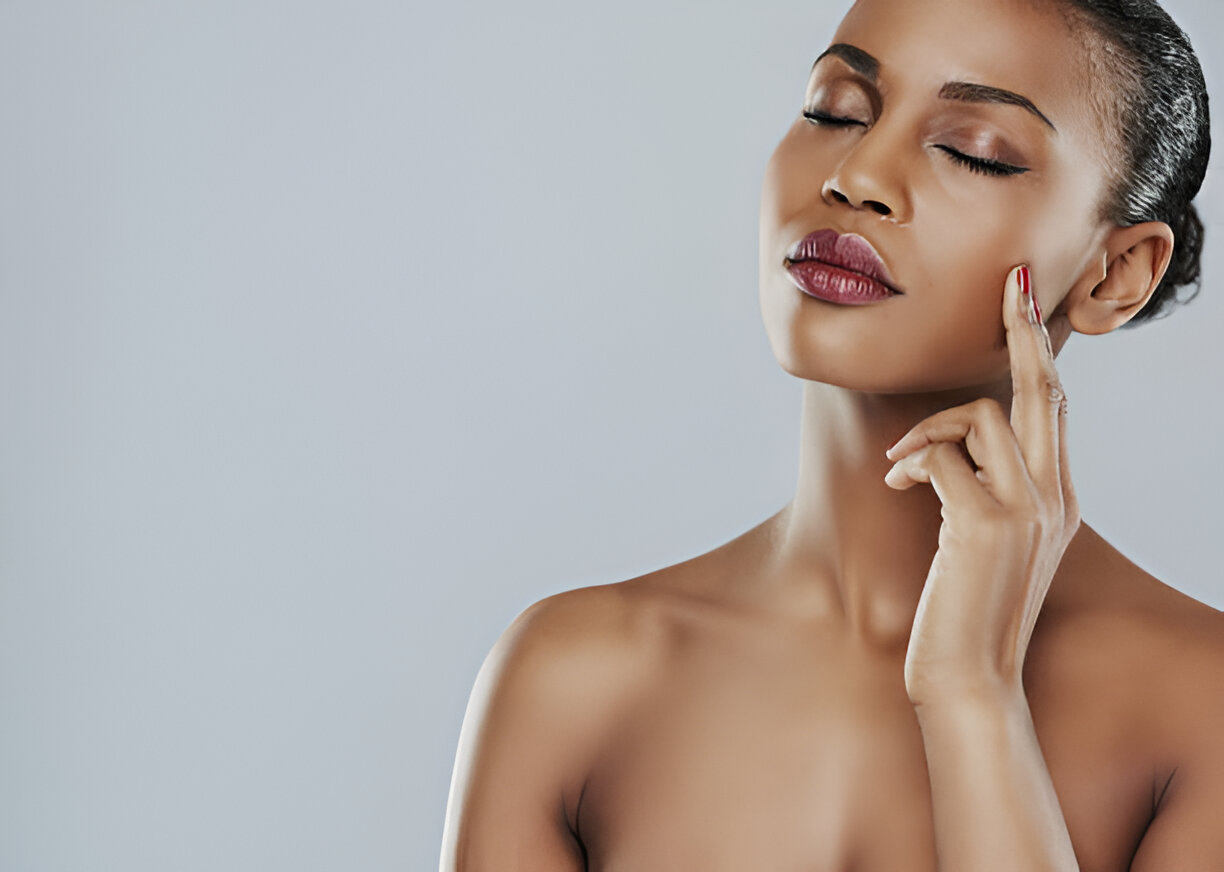
In a world increasingly driven by image, societal beauty standards have evolved into an all-encompassing force, influencing how we see ourselves and others. From magazine covers to social media feeds, beauty is often defined by narrow, unrealistic ideals that seem to promise acceptance, success, and happiness. But while these standards may seem to offer a path to validation, they carry with them a darker, more damaging side. The pressure to conform to these standards can affect our mental health, self-esteem, and sense of identity in ways that are often overlooked.
The Origins of Beauty Standards
The concept of beauty is not new—throughout history, different cultures have shaped and reshaped their ideals of attractiveness. However, in the modern age, beauty standards have become more globalized and media-driven, with a single, dominant image of what is considered “beautiful.” From the thinness celebrated in the 90s to the hourglass figures seen today, the media has continuously evolved its portrayal of beauty, creating a shifting but ever-present ideal.
This ideal is often characterized by unattainable features—smooth skin, clear complexion, a particular body shape, and specific facial features. While these images are often celebrated, they do not reflect the vast diversity of human beauty.
The Harmful Effects on Mental Health
The pressure to conform to beauty standards can be overwhelming, leading many individuals to tie their self-worth to their physical appearance. Research has shown that constant exposure to these unrealistic ideals is linked to a range of mental health challenges, such as anxiety, depression, and body dysmorphia. Social media platforms, where images are often carefully curated and edited, amplify this issue. It’s easy to lose sight of the fact that what we see online isn’t reality, but the cycle of comparison continues. As people view others who seem to effortlessly embody the “ideal” image, they may start to feel inadequate.
The fear of not measuring up can drive individuals to engage in unhealthy behaviors like extreme dieting, over-exercising, or even developing eating disorders. This unrelenting pursuit of fitting into a physical or emotional mold can erode one’s sense of individuality, replacing it with a continual need to change in order to meet someone else’s version of “perfection.” For those struggling with the mental and emotional toll of these pressures, seeking help from trauma treatment centers, such as women’s trauma treatment centers in Ogden, UT, can provide the support needed to begin healing and reclaiming their sense of self.
The Toll on Self-Esteem
For many, beauty standards create a significant barrier to self-acceptance. Women, in particular, are often subjected to a heightened focus on their appearance, which can make them feel like their value lies solely in how they look. But this obsession with outward appearance doesn’t stop with women. Men, too, are increasingly targeted by beauty standards that emphasize muscularity and a specific type of facial features. The resulting pressure to conform affects both genders, limiting their freedom to embrace their authentic selves.
Self-esteem, which should ideally be built on personal achievements, relationships, and values, is instead often tethered to a superficial and ever-changing standard. When someone doesn’t feel they meet these external expectations, they may internalize feelings of inadequacy or worthlessness. This can result in diminished confidence, social withdrawal, or even an unwillingness to pursue dreams and goals that don’t align with societal ideals.
The Diversity Gap
Another dark side of beauty standards is the lack of representation and inclusivity. Media and advertising industries have historically favored a very narrow and specific look—usually a thin, white, able-bodied person with symmetrical features. This limited definition of beauty alienates vast groups of people. People of color, individuals with disabilities, those in larger bodies, and those with different gender identities often struggle to see themselves represented in mainstream beauty images.
The lack of diversity reinforces the idea that only one type of beauty matters, which can lead marginalized groups to feel invisible or inferior. Furthermore, when only one standard of beauty is celebrated, it fosters a culture of exclusion, making it harder for people to feel valued and worthy of love and attention.
The Power of Redefining Beauty
Breaking free from these societal expectations begins with redefining what beauty truly is. Beauty is not a one-size-fits-all concept; it is an incredibly diverse and personal experience. Redefining beauty means celebrating uniqueness, embracing differences, and acknowledging that there is no single definition of attractiveness.
One important step toward this transformation is representation. Media outlets, brands, and influencers are slowly becoming more inclusive, showcasing a broader range of body types, skin colors, and abilities. While there is still much work to be done, these shifts are starting to show that beauty is not about fitting into a mold—it’s about authenticity and self-expression.
Encouraging self-love is another essential part of this process. When people are able to accept themselves as they are, flaws and all, they can begin to break free from the pressure of meeting societal standards. Emphasizing qualities such as kindness, intelligence, creativity, and empathy—not just outward appearance—can help shift focus away from physical attributes and toward what truly defines a person’s worth.
Embracing a More Inclusive Future
In recent years, the movement to challenge and redefine beauty standards has gained significant momentum. Body positivity, self-love, and diversity in fashion and advertising are becoming more mainstream. However, the journey is ongoing, and each of us has a role to play in promoting a healthier, more inclusive definition of beauty.
By embracing all shapes, sizes, colors, and backgrounds, we can help dismantle the rigid beauty standards that have held so many captive for generations. Beauty should be about more than just appearance—it should be about feeling confident in your own skin, loving yourself, and accepting the world for its infinite diversity.
In the end, the real beauty lies in being unapologetically yourself, free from the weight of societal expectations.
