


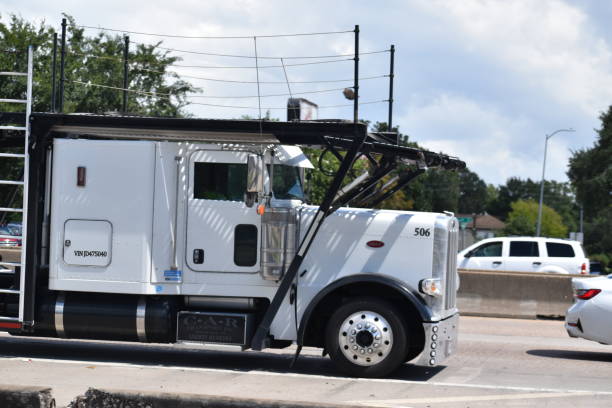
Houston roads rarely sit still. Trucks move goods day and night. Food, fuel, building tools—you name it. Most drivers barely notice them. A long trailer rolls by, and traffic keeps moving. But when a commercial truck crash happens, things change fast. The damage can be huge. These trucks weigh tens of thousands of pounds. One mistake can lead to serious injury. And here’s where things get tricky. After a truck wreck, people often ask one simple question: Who caused it? With normal car crashes, the answer may be clear. One driver made a mistake. Truck crashes rarely work that way. Many times, several people—or companies—may share blame. The driver might play a role. The trucking company might too. Even the team that loaded the cargo could be involved. Let’s talk about why.
Why Truck Wreck Cases Are More Complicated
Think of a commercial truck like a small business on wheels. There’s a driver behind the wheel. A company planning routes. Workers loading cargo. Mechanics checking the truck. Every step matters. If one part fails, the risk rises. Truck drivers must also follow safety rules from the Federal Motor Carrier Safety Administration. These rules limit driving hours and require regular truck checks. When those rules get ignored, crashes become more likely. And once a crash happens, lawyers start asking questions. Who skipped a step? Who ignored a warning? Those details matter.
The Truck Driver’s Responsibility
Let’s start with the obvious one—the driver. Truck drivers control large vehicles in busy traffic. That job requires skill and focus.
Common driver mistakes include:
- Driving too fast
- Using a phone while driving
- Driving while tired
- Taking alcohol or drugs before driving
- Ignoring weather or road conditions
Fatigue causes many truck crashes. Long hours behind the wheel can wear anyone down. Federal rules limit how long drivers can stay on the road without rest. But some drivers push past those limits. Why? Tight delivery schedules. And that pressure sometimes leads to bad decisions.
The Trucking Company’s Role
Drivers don’t usually act alone. Most work for trucking companies. Those companies hire drivers, plan routes, and set delivery times. If a company cuts corners, it may share blame for a crash.
Examples include:
- Hiring drivers with poor records
- Skipping driver training
- Pushing unsafe delivery schedules
- Ignoring truck repairs
- Failing to inspect vehicles
Picture a company telling drivers to finish a long route overnight. That pressure may lead a driver to skip sleep. That decision can turn dangerous. Courts often examine company policies in these cases. Sometimes the real problem starts at the office desk, not on the highway.
When Cargo Loading Becomes the Problem
Cargo might seem like a small detail. It isn’t. The way cargo sits inside a trailer affects how the truck moves.
Poor loading can cause serious trouble, such as:
- Cargo shifting during turns
- Uneven weight across axles
- Cargo falling onto the road
A sudden shift in weight can make a truck lose balance. The trailer might sway or even roll over. If loading crews made the mistake, their company may share liability. It’s a bit like stacking boxes in a moving van. Stack them wrong, and everything slides when the van turns. Now imagine that happening at highway speed.
Mechanical Failures and Defective Parts
Sometimes the driver does everything right. Yet something still goes wrong. Mechanical problems can cause crashes too.
Common failures include:
- Brake problems
- Tire blowouts
- Steering defects
- Faulty trailer connections
If a faulty part causes the crash, the manufacturer may face a legal claim. These cases fall under product liability law. Investigators look at repair records, recalls, and inspection reports. One worn brake pad can tell a long story.
Maintenance Teams Also Play a Role
Trucks travel long distances every week. Because of that, regular maintenance matters. Many trucking firms hire outside repair shops to handle inspections. But what if a mechanic rushes the job? Imagine worn tires that should have been replaced. Or brakes that passed inspection when they clearly shouldn’t. If poor maintenance caused the crash, that repair company could share blame. Safety checks exist for a reason. When someone skips them, risk grows.
Evidence Used in Truck Accident Cases
Truck crash investigations often rely on detailed records. Lawyers and investigators gather many types of evidence.
Common examples include:
- Driver logbooks
- Truck inspection reports
- Electronic driving records
- Dash camera footage
- Witness statements
- Police crash reports
Many trucks also carry electronic data systems. These devices record speed, braking, and engine activity. They work almost like airplane black boxes. That data often reveals what happened just before the crash.
Texas Law and Shared Fault
Truck accident claims in Houston follow Texas injury law. One rule matters a lot—the shared fault rule. Texas allows compensation if a victim is partly responsible, but only up to a point.
For example:
If a person is 20% responsible, their payment drops by 20%. But if someone is more than 50% responsible, they may receive nothing. Insurance companies often argue about this. A lot. They may try to shift blame onto the victim to reduce payouts. That’s why strong evidence matters.
What Victims Should Do After a Truck Crash
After a truck wreck, things feel chaotic. People feel shocked. Sometimes they feel numb. Still, a few steps help protect legal practice rights. First, seek medical care right away. Even small injuries can grow worse later. Next, call the police and make sure a report gets filed. Photos help too. Take pictures of the vehicles, road conditions, and injuries if possible. Witness names can also matter later. And one simple tip—keep records. Medical bills, repair costs, missed workdays. These details show how the crash changed daily life.
Why Legal Guidance Often Helps
Truck accident claims can involve large insurance policies. Because of that, trucking companies usually act fast after a crash. Investigators may arrive at the scene within hours. Their goal? Protect the company. Victims deserve the same level of support. Schechter, Shaffer & Harris, LLP – Accident & Injury Attorneys who handle truck cases know where to look for key evidence—driver logs, inspection records, and company policies. These details often reveal what really happened. Sometimes the truth hides in paperwork. Quiet, simple paperwork. Yet that paperwork can decide a case.
FAQs
1. Who might be held accountable in the event of a commercial truck collision in Houston?
There might be multiple culprits. The truck driver’s negligent driving may be their fault. If the trucking company broke safety rules, it might be held partially liable. Part manufacturers, maintenance staff, and cargo loaders may also be involved.
2. Why are truck cases more challenging than car cases?
More personnel and stringent safety rules are frequently involved in truck cases. Investigators examine company policies, maintenance logs, and driver logs. This procedure helps identify the people involved in the collision.
3. After a truck accident, how long do victims in Texas have to submit a claim?
The majority of victims can file a personal injury claim within two years of the collision date. A claim cannot be heard in court if it is filed after this date.
4. How can truck accident victims receive compensation?
Compensation for medical expenses, lost income, auto damage, and pain from injuries may be sought by victims. Reduced earning potential or long-term care expenses are examples of severe cases.
5. Do trucking companies need to get more insurance?
Indeed, compared to private drivers, commercial trucking companies typically have larger insurance policies. Following large truck collisions, these policies assist in covering significant property damage and serious injuries.
