


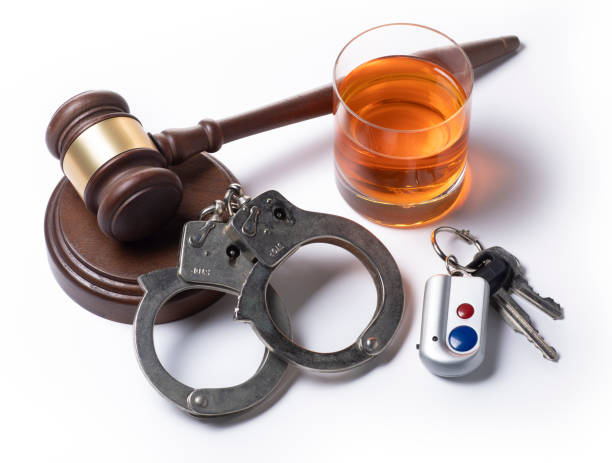
If you find yourself facing a DWI charge in New York, you need to understand the penalties you could face. These consequences are not only serious but can affect your life in unexpected ways. From hefty fines to possible jail time, knowing what lies ahead helps you make informed decisions. You need to act quickly and wisely. This blog will give you clear, important facts about DWI penalties in New York. It will help guide you through the legal process. Understanding these penalties ensures you are better prepared to handle the situation. To see a detailed analysis, visit https://www.andrewkarpfcriminallaw.com/dui-dwi/. You can face administrative actions, increased insurance costs, and long-term implications on your driving privileges. These are more than just numbers; they reflect the seriousness of a DWI charge. Equip yourself with this knowledge and navigate your situation with confidence.
1. Legal Blood Alcohol Content Levels
In New York, the blood alcohol content (BAC) limit is set at 0.08% for drivers aged 21 and over. For commercial drivers, the limit is 0.04%. Underage drivers face stricter rules with a limit of 0.02%. Understanding these thresholds is crucial. It helps you grasp when legal trouble begins.
2. First-Time Offender Consequences
Being charged with a DWI for the first time can result in several penalties. These include fines ranging from $500 to $1,000 and up to one year in jail. The court may also suspend your driver’s license for at least six months. Community service and attendance at a victim impact panel are possible.
3. Repeat Offender Penalties
Second and third offenses carry harsher penalties. Repeat offenders can expect higher fines, longer jail time, and extended license suspensions. For a second offense, fines range from $1,000 to $5,000, and jail time can reach up to four years. A third offense can result in fines up to $10,000 and up to seven years in jail.
4. License Suspension and Revocation
Your license can be suspended or revoked depending on the severity of the offense. A first offense usually means a six-month suspension. Repeat offenses can lead to a year or more. The state might also require you to install an ignition interlock device to regain driving privileges.
5. Ignition Interlock Device
After a DWI conviction, you might need to install an ignition interlock device on your vehicle. This device requires you to pass a breath test before your car will start. The cost of installation and maintenance is your responsibility. It adds an extra layer of consequence and inconvenience.
6. Insurance Premium Increases
A DWI conviction often leads to higher insurance premiums. Insurance companies view you as a higher risk. Therefore, they might increase your rates significantly. This increase can burden your finances for several years. It’s important to budget for these potential costs.
7. Impact on Employment
A DWI conviction might impact your employment. Some employers perform background checks and may be hesitant to hire someone with a DWI on their record. Jobs that require a clean driving record could be out of reach. It’s a factor that extends beyond legal penalties.
Comparison of DWI Offense Penalties
| Offense | Fine Range | Jail Time | License Actions |
|---|---|---|---|
| First Offense | $500 – $1,000 | Up to 1 Year | 6-Month Suspension |
| Second Offense | $1,000 – $5,000 | Up to 4 Years | 1-Year Revocation |
| Third Offense | Up to $10,000 | Up to 7 Years | 1-Year or More Revocation |
Understanding these penalties can make a substantial difference in your life. Knowing what to expect allows you to plan appropriately and seek legal advice if necessary. Educating yourself is key to mitigating the impact of a DWI charge. By doing so, you can navigate these challenging situations with greater ease.
