


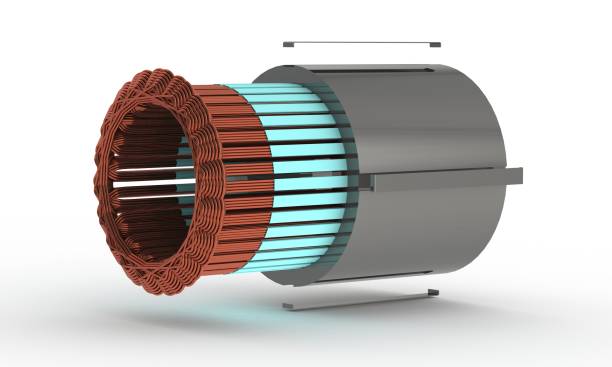
The axial flux motor is transforming how electric machines operate, offering a new level of efficiency, compactness, and performance. As industries shift toward sustainable energy and electrification, engineers are rethinking motor design to achieve more power in smaller spaces. This motor type, known for its flat and lightweight structure, is quickly becoming the preferred choice in electric vehicles, renewable energy systems, and advanced robotics.
Understanding the Concept of Flux Motors
What Is a Flux Motor?
A flux motor operates on the interaction between magnetic fields and electrical currents, generating torque through magnetic flux. The effectiveness of a motor depends on how efficiently it can control and use this magnetic flux. Traditional motors use a radial flux design—where the magnetic flux moves outward from the center of the motor. While this has worked for decades, it limits efficiency and compactness.
An axial flux configuration changes this completely. In this design, the magnetic flux flows parallel to the axis of rotation, enabling a thinner and more compact motor. This not only saves space but also improves the overall power density and reduces energy losses.
Evolution of Motor Design
For a long time, electric motors relied on incremental improvements in materials and winding techniques. However, the surge in demand for high-efficiency and lightweight machines led to a shift toward axial flux technology. Engineers discovered that aligning the magnetic field along the rotation axis could produce more torque using less material—an innovation that has revolutionized electric motor design.
How Axial Flux Motors Work
Basic Structure and Operation
Unlike conventional motors that feature cylindrical stators and rotors, axial flux motors consist of flat, disc-shaped rotors and stators positioned face to face. The magnetic field travels along the motor’s axis, reducing the magnetic path and improving efficiency.
This design allows for:
- Higher torque density due to increased surface area between the stator and rotor.
- Compact and lightweight structure, ideal for space-constrained applications.
- Efficient magnetic coupling, minimizing energy waste.
Components of an Axial Flux Motor
- Stator: Contains the copper windings responsible for generating the electromagnetic field.
- Rotor: Houses permanent magnets or coils that rotate when exposed to the stator’s magnetic flux.
- Air Gap: A precise space that enables magnetic interaction and smooth rotation.
These components are arranged in a layered configuration, which can include multiple stators and rotors stacked together for greater output.
Key Advantages of Axial Flux Design
1. High Power Density
Because of their large magnetic surface area, axial flux motors can generate more torque per unit volume compared to traditional radial flux motors. This makes them ideal for applications that require maximum power in limited space, such as electric vehicles or drones.
2. Improved Efficiency
A shorter magnetic path and reduced winding length minimize copper and core losses. The result is better energy conversion and less wasted heat. This efficiency directly contributes to longer battery life in electric vehicles and lower operating costs in industrial machines.
3. Superior Cooling
The flat shape of the motor allows for better airflow and easier integration of liquid cooling systems. Effective heat dissipation ensures consistent performance, even during prolonged operation at high speeds.
4. Lightweight and Compact
Axial flux motors can achieve the same output power as traditional designs while weighing significantly less. Their compact form factor also simplifies system integration, reducing the need for bulky housings and extra components.
Applications Across Industries
Electric Vehicles
Automakers are increasingly adopting axial flux technology to achieve higher efficiency and extended range. The motor’s thin design allows it to be installed directly in wheel hubs or near drive shafts, improving energy transfer and reducing mechanical complexity.
Renewable Energy
In renewable energy systems such as wind turbines and hydro generators, efficiency is crucial. The compactness and high torque of axial flux motors make them ideal for these environments. Their ability to operate at lower speeds without compromising torque output enhances power generation efficiency.
Robotics and Automation
In robotics, every gram matters. The lightweight and high-torque characteristics of axial flux motors provide smooth and precise movement, enabling advanced automation in industrial and service robots.
Engineering Innovations and Manufacturing Advances
Automated Winding and Precision Assembly
Advanced winding machines are essential for producing the precise coil structures used in axial flux motors. Automation ensures consistency, optimal copper utilization, and accurate insulation placement—all critical for reducing losses and improving durability.
Material Advancements
High-performance materials such as lightweight magnetic steels and advanced copper alloys further enhance motor performance. Combined with optimized insulation systems, they contribute to improved reliability and longevity.
Modular Design Flexibility
Engineers can easily stack multiple rotor-stator pairs in axial flux motors to increase torque without significantly changing the motor’s footprint. This modular approach supports scalability and customization for various power requirements.
The Future of Axial Flux Technology
The push toward electrification and renewable energy is accelerating research into advanced motor designs. Axial flux technology is expected to dominate future electric propulsion systems because it addresses two major challenges: efficiency and space optimization.
Upcoming developments are likely to focus on:
- Advanced cooling systems integrated into the motor structure.
- Smart monitoring sensors for real-time performance tracking.
- AI-assisted manufacturing, ensuring perfect coil placement and alignment.
- Hybrid materials that reduce weight while increasing strength and conductivity.
As these advancements progress, axial flux motors will become even more reliable and cost-effective, paving the way for widespread adoption across industries.
Challenges to Overcome
Despite their benefits, axial flux motors present certain engineering challenges. Maintaining precise air gaps between the stator and rotor discs requires high manufacturing accuracy. Even minor misalignments can lead to vibration and energy loss. Additionally, the flat design complicates thermal management in larger motors, although new cooling techniques are helping mitigate this issue.
Manufacturers are investing in more advanced production technologies to overcome these challenges, ensuring that efficiency gains remain consistent across various motor sizes and applications.
Conclusion
The axial flux motor has redefined what is possible in electric machine efficiency. By rethinking the flow of magnetic flux and optimizing every element of motor design, engineers have created motors that are lighter, smaller, and far more powerful than their predecessors.
As industries embrace sustainable energy and electric mobility, the axial flux electric motor stands as a symbol of innovation—delivering exceptional torque, improved cooling, and unmatched efficiency. It is not just a motor; it represents the future of clean, compact, and intelligent energy conversion technology.
