


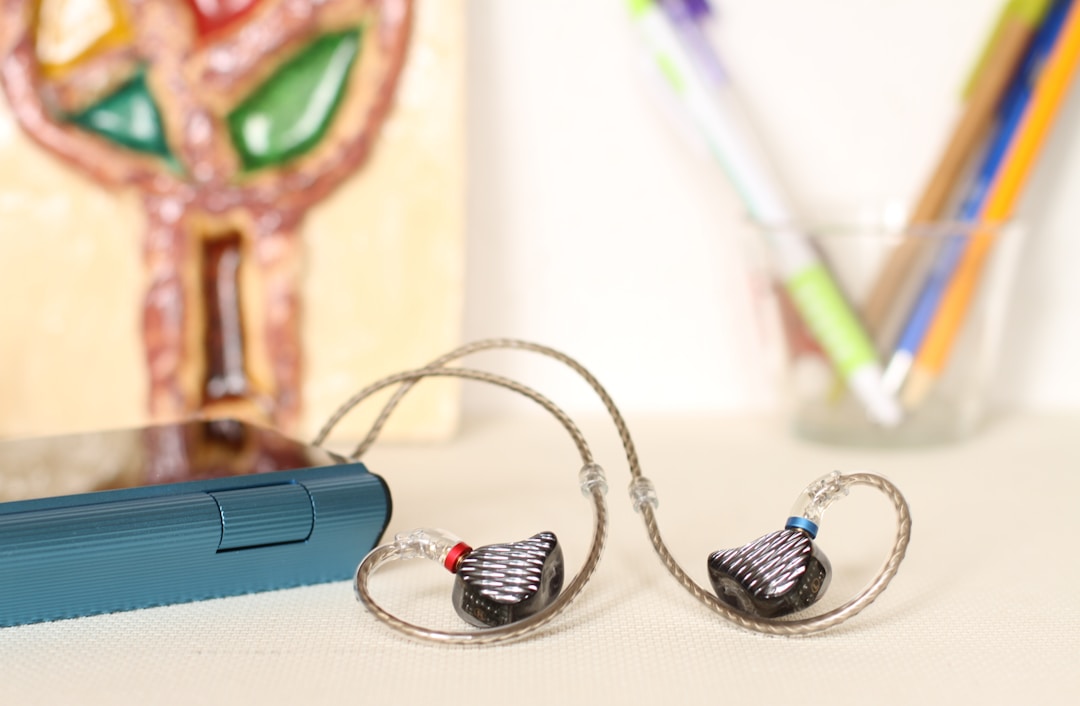
Hearing health is an essential aspect of overall well-being, and the technology used to assess it has undergone significant advancements over the years. Today’s hearing test equipment is the result of a continuous evolution tailored to provide accurate diagnoses for a range of auditory conditions. These devices not only help to identify hearing impairments but also play a crucial role in the planning and monitoring of treatment strategies. With an array of equipment designed for different purposes, understanding the intricacies of each is vital for both professionals in the audiology field and patients seeking hearing solutions. Below, we delve into the world of hearing test equipment, unraveling its complexities and significance.
Exploring the Evolution and Importance of Hearing Test Equipment
From the earliest days of ear trumpets to the sophisticated electronic equipment of the modern era, the history of hearing test devices is a testament to human ingenuity. Initially, the focus was on amplifying sounds for those with hearing difficulties. However, as understanding of the auditory system deepened, the technology shifted towards more detailed assessments and diagnostics.
The introduction of the audiometer in the early 20th century marked a significant leap forward in hearing evaluation. This breakthrough allowed for the quantification of hearing loss and paved the way for the development of standards in audiological testing. Moreover, these advancements enhanced the quality of life for individuals with hearing disorders by improving the accuracy of hearing aid fittings and other auditory interventions.
Moreover, as our population ages, the prevalence of hearing loss is expected to rise, further underscoring the need for such diagnostic tools. Modern hearing test equipment includes a broad spectrum of devices, each designed to diagnose different aspects of the auditory system, ensuring comprehensive care for patients of all ages.
The Intricacies of Tympanometers in Evaluating Middle Ear Health
Tympanometry is an objective hearing assessment technique that evaluates the condition of the middle ear and the mobility of the eardrum (tympanic membrane) and conduction bones. This test is often used in conjunction with audiometry to provide a complete picture of a person’s auditory health. Tympanometers function by creating variations in air pressure within the ear canal, which in turn causes the eardrum to move. The device measures these movements and provides a tympanogram, a graph that clinicians interpret.
These devices are crucial for detecting middle ear pathologies such as fluid build-up, eustachian tube dysfunction, and otitis media, which are particularly common in children. Early diagnosis and management of these conditions are vital to prevent temporary or even permanent hearing loss.
In older patients, tympanometers serve to identify issues such as tympanic membrane perforations or ossicular chain disorders, which can be a result of chronic ear infections or trauma. The information obtained can be critical for planning medical or surgical interventions to restore hearing function.
Unveiling the Functionality of Otoacoustic Emissions (OAE) Devices

OAE testing is a groundbreaking development in hearing assessment technology. OAE devices measure sounds produced by the inner ear (cochlea) when it is stimulated, these emissions are a sign of a normally functioning cochlea. As a non-invasive testing method, it is particularly useful for screening the hearing of newborns, infants, and other patients who might have difficulty with more conventional hearing tests.
OAE devices can detect congenital hearing loss as well as hearing impairments caused by damage to the outer hair cells within the cochlea. There are two main types of OAE tests: Transient Evoked OAEs (TEOAEs), stimulated by brief clicks or tones, and Distortion Product OAEs (DPOAEs), which utilize two continuous tones of different frequencies.
Navigating Through the Advanced Realms of Auditory Brainstem Response (ABR) Technology
Auditory brainstem response testing represents the forefront of hearing test equipment, offering insights into how the auditory system transmits sound from the ear to the brain. ABR assessment is a non-invasive electrophysiological test that measures the brain’s activity in response to sound. It is particularly useful in evaluating hearing in newborns and others who cannot provide behavioral responses to auditory stimuli.
By placing electrodes on the scalp and earlobes or ear canal, ABR technology records the brain’s activity in response to a series of clicking sounds or tone bursts. These responses are analyzed to determine the individual’s hearing threshold and can identify a range of hearing issues, including auditory neuropathy, where the inner ear is functioning but transmission to the brain is impaired.
Altogether, the realm of hearing test equipment is vast and sophisticated, reflecting the myriad complexities of auditory health. Overall, by understanding the functionalities of various devices, from audiometers and tympanometers to OAE and ABR technologies, professionals can offer patients precise and comprehensive hearing assessments, leading to improved outcomes and quality of life.
