


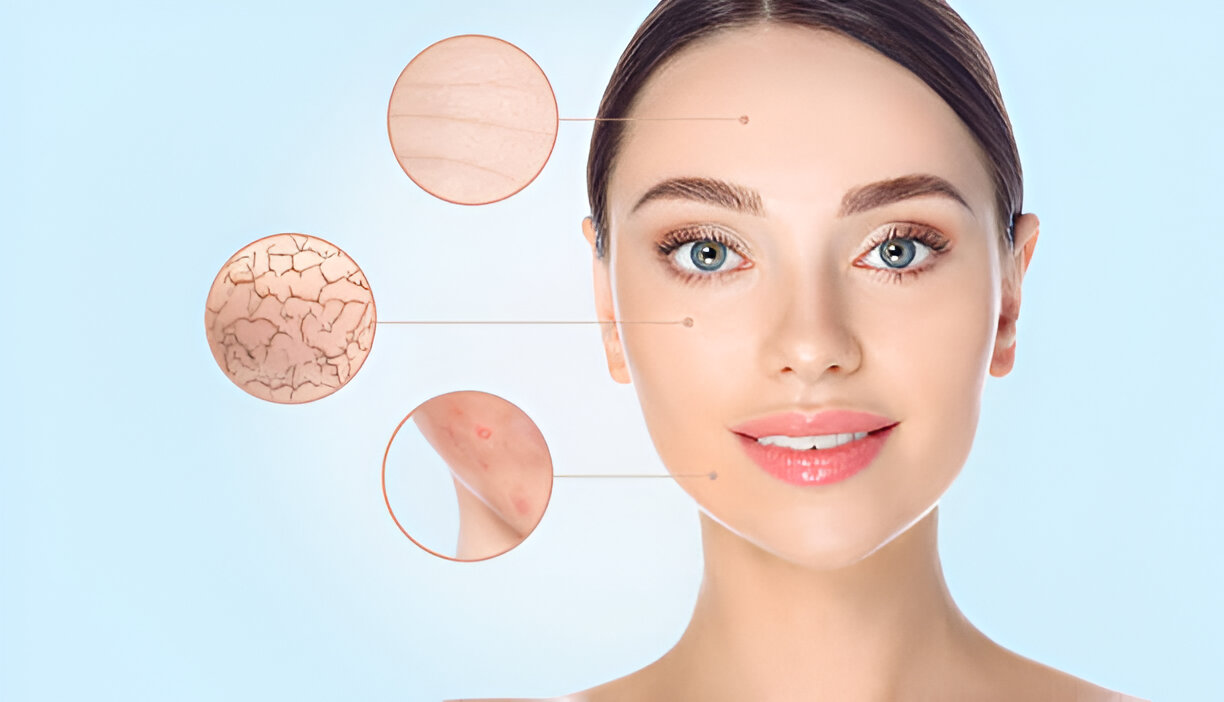
In the pursuit of radiant and youthfully vibrant skin, many individuals discover the transformative benefits of meticulously-formulated facial treatments. Among these, the lactic acid peel has emerged as a favoured option for those seeking a gentle yet effective path to revitalisation. Let us delve into the intricacies of lactic acid peels and understand how they harness the power of natural compounds to refresh and renew the complexion.
The Fundamentals of Lactic Acid Peels
Lactic acid, a component of the alpha hydroxy acid (AHA) family, is well known for its exfoliating and skin-smoothing qualities. It originates from milk, which perhaps explains why even historical figures touted milk baths as skin elixirs. Modern science has refined the use of this potent ingredient into targeted treatments, enabling concentrated lactic acid to actively remove dead skin cells, stimulate new cell growth, and improve the skin’s texture and tone.
Unveiling the Gentle Power of Lactic Acid
A lactic acid peel is an exfoliant with the ability to induce natural collagen production, a key factor in the skin’s elasticity and fullness. Its lower irritation risk when compared with other chemical peels makes it a go-to treatment for those with sensitive skin or for those who have not had peels before. Moreover, lactic acid has a natural moisturising factor, which means it helps to keep the skin hydrated post-peel.
Efficacy for Various Skin Concerns
One of the reasons for the increasing popularity of the lactic acid peel is its efficacy across various skin concerns. It has proved beneficial for individuals with fine lines and wrinkles, hyperpigmentation, mild acne scars, and age spots. The ability to shed off the upper layer of the skin reveals smoother, fresher, and more even-toned skin beneath.
Procedure and Expectations
The peel process itself is straightforward. A medical professional or qualified skincare specialist applies the lactic acid solution to the skin, where it works to break the bonds between old skin cells. After several minutes, the solution is neutralised and removed. Clients may experience a tingling or mild stinging sensation during the treatment, which is generally well-tolerated.
An Ally in Anti-Ageing
With ageing, the natural exfoliation process slows down, resulting in a buildup of dead skin cells that can make the skin look dull. A lactic acid peel accelerates cell turnover, encourages the shedding of dead cells, and reveals the younger, smoother skin underneath. For even better results, incorporating nutrient-rich supplements like moringa capsules amazon can support skin health from within, complementing your anti-aging skincare regimen.
Supporting Skin Moisture
Beyond its exfoliation merits, lactic acid is also a humectant, meaning it helps the skin retain its natural moisture. Consequently, the risk of post-treatment dryness is minimised, and skin is left feeling supple and soft. This dual action—exfoliation coupled with hydration—sets the lactic acid peel apart as a multifaceted skin treatment.
Customising Treatment Strength
The versatility of lactic acid peels extends to the variability in their potency. Determined by the concentration of lactic acid used, peels vary from mild to strong, accommodating different skin types and concerns. The milder peels require little to no downtime, whereas more potent peels may necessitate a period of skin recovery.
The Importance of Professional Administration
While lactic acid treatments are touted for their gentleness, the significance of professional administration cannot be overstressed. A skincare specialist can assess skin type and sensitivity, manage the concentration and duration of the peel, and prevent complications, thereby ensuring a safe and effective treatment.
Pre-Peel and Post-Peel Care
Proper pre-peel preparation and post-peel care are crucial for optimal results and skin health. Skincare professionals often advise on a regimen to follow prior to the treatment to prepare the skin. Equally important is post-peel care, which typically includes the use of gentle, non-irritating products to support the skin during its renewal process.
Integration with Other Skincare Treatments
Lactic acid peels can be seamlessly integrated into a broader skincare treatment plan. Their ability to amplify the absorption of other skincare products post-peel means they can work synergistically with serums, moisturisers, and treatments to further enhance skin health and aesthetics.
Ensuring Safety and Compatibility
Despite its manifold advantages, lactic acid peels are not universal. Clients with certain skin conditions or allergies may not be suitable candidates. A consultation with a dermatologist or skincare professional is vital to determine safety and compatibility before undergoing the treatment.
Conclusion
In a digital age where flawless skin is increasingly sought after, it is helpful to rely on treatments that are grounded in science and notable for their efficacy. A lactic acid peel represents such a treatment: a testimonial to the harmonious synergy of nature and science in the quest for vibrant and healthy skin. It is an open secret amongst those who champion a luminous complexion and, when administered with discernment and knowledge, can unlock the full potential of one’s natural beauty.
For anyone considering a peel or looking to understand the latest in skincare trends, a lactic acid peel may very well be the treatment that turns the aspiration of ageless, glowing skin into a tangible reality.
Whether you’re a skincare enthusiast or a professional seeking to expand your repertoire of treatments, exploring the realm of lactic acid peels may prove to be an enlightening and fruitful journey. As with all skincare treatments, individual research and professional advice are paramount. But in the end, it is the promise of a brighter, smoother complexion that makes the exploration wholly worthwhile.
