


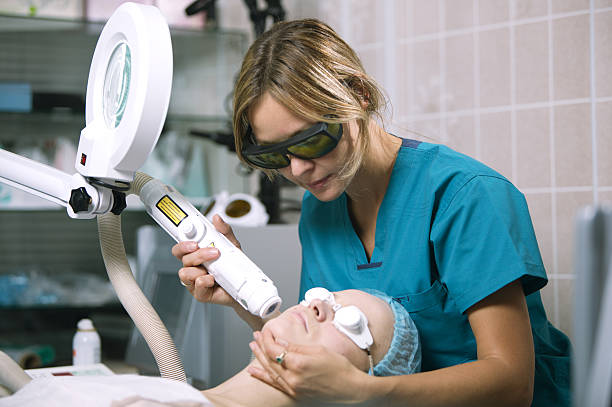
If you are dealing with persistent acne scars and you live in Singapore, you may have heard that laser treatments are the “gold standard.” But what does that really mean, and is it true that laser therapy is the best option for acne scar removal in Singapore? As a dermatologist, I will walk you through how acne scars form, what types exist, what laser treatments can do (and their limitations), how they compare with other methods, and how to decide whether this path is right for you.
Understanding Acne Scars
How Acne Scars Form
Acne scars develop when inflamed lesions damage the deeper layers of the skin and the body’s repair process goes awry. The normal architecture of skin tissue is disrupted, collagen production becomes irregular, and depending on how the healing occurs, you may end up with depressions or raised scars. Factors that increase the risk include severe or cystic acne, picking or squeezing lesions, delayed treatment of acne, and genetic predisposition.
Types of Acne Scars
The most commonly seen types are:
- Ice-pick scars: deep, narrow, and often difficult to treat.
- Boxcar scars: broader, more defined depressions with sharper edges.
- Rolling scars: wave-like, shallow depressions caused by fibrous bands under the skin.
- Hypertrophic or keloid scars: raised scars from excess collagen.
Understanding the scar type is key to choosing the right treatment, because not every method works equally well for all scar types.
What Laser Treatments Do for Acne Scars
Laser treatments, when done by a qualified dermatologist, can be powerful tools in the fight against acne scars. In Singapore, the approach is widely used and promoted for scar revision.
Mechanism of Action
Lasers work by delivering focused light or heat energy into the skin to cause controlled micro-injuries or heating zones. This triggers the body’s wound-healing mechanisms: collagen and elastin production ramp up, damaged scar tissue is remodelled, and the skin surface may be resurfaced.
Types of Lasers Used for Acne Scars
Some of the commonly used laser types in Singapore for scar treatment include:
- Fractional CO₂ laser: Ablative in nature, removes microscopic columns of tissue and stimulates deep remodelling. Often used for atrophic (depressed) scars.
- Pico or picosecond lasers: Non-ablative, high-speed pulses to break down scar tissue and pigment, with less downtime.
- Pulsed dye or vascular lasers: Useful for redness or hypertrophic scars by targeting abnormal blood vessels.
Advantages of Laser Treatments
- Significant improvement in texture and appearance of many scar types.
- Can be tailored to your skin type, scar severity, and downtime tolerance.
- Many Singapore clinics offer laser-based scar removal as part of a comprehensive plan.
Limitations and Realistic Expectations
Not Always Complete Removal
Even the best laser treatments may not completely erase scars. Some scars are too deep, too tethered, or too complex to be fully removed. Instead, the goal is significant reduction, smoother texture and improved appearance.
Multiple Sessions and Cost
Severe scars often require multiple sessions of laser treatment and sometimes combination with other modalities (microneedling, subcision, fillers). This can add up in cost and downtime.
Downtime and Risks
Some laser treatments have downtime (redness, swelling, crusting) that may last several days. There can also be risks of pigmentation changes, especially in darker skin types if not managed carefully.
Scar Type and Skin Type Matter
Laser treatment may be less effective for certain scar types (for example, very deep ice-pick scars or scars with fibrous bands underneath). Also, in individuals with darker skin tones, extra caution is required due to higher risk of post-inflammatory hyperpigmentation.
Is Laser the “Gold Standard” for Acne Scar Removal in Singapore?
What “Gold Standard” Means
In this context, “gold standard” implies that laser treatment is the first choice and most effective option for acne scar removal. While lasers are indeed powerful and widely used in Singapore for acne scars, calling them the best option for every patient may be an oversimplification.
Why They Are Among the Best Options
- They provide strong results for many kinds of atrophic scars (rolling, boxcar) when performed by experienced dermatologists.
- They are advanced and regularly used in Singapore clinics, meaning local expertise and infrastructure are available.
Why They Are Not Always the Only or Best Option
- For some scar types (ice-pick, tethered rolling), other treatments (subcision, TCA CROSS, microneedling) may be more appropriate or used in combination.
- For individuals with certain skin tones, or who cannot tolerate downtime, non-laser options might be safer.
- Laser alone may not address all dimensions of scarring (pigmentation, volume loss, fibrous bands). A multi-modal approach is often better.
The Verdict
Yes, laser treatments are among the top-tier options and for many patients in Singapore, they are the first-line treatment for acne scars. But they are not a one-size-fits-all “gold standard” in every circumstance. The best outcome comes from accurate diagnosis of scar type, realistic expectations, and often combining laser with other modalities tailored to you.
How to Decide If Laser Treatment Is Right for You
- Consult a qualified dermatologist who assesses your scar type, skin tone, history, and expectations.
- Identify your scar types (ice-pick, boxcar, rolling, raised) and check which treatments best target those types.
- Discuss laser options: What type of laser, number of sessions, expected improvement, downtime, cost.
- Assess your tolerance for downtime and your budget. Some lasers need 3–7 days of recovery; others are minimal downtime.
- Plan for combination treatment: In many cases, laser + microneedling + subcision + fillers or chemical peels gives the best outcome.
- Maintain results: After treatment, you still need sun protection, managing active acne, avoiding picking lesions, and good skincare.
- Set realistic expectations: Aim for visible improvement rather than perfection. Some scars may only be partially improved.
Commonly Asked Questions
Does laser treatment completely remove acne scars?
Generally no. Laser treatments significantly improve the appearance and texture of scars but may not remove them entirely. Some deep scars may remain or require additional therapies.
How many laser sessions are needed for acne scar removal in Singapore?
The number of sessions depends on scar type, severity, skin type, and the specific laser used. Many patients require 3–6 sessions spaced several weeks apart.
Is laser treatment painful and what is the downtime?
Modern lasers often involve topical numbing and patients tolerate the treatment well. Downtime varies: milder lasers may have minimal downtime, whereas ablative lasers may require several days of redness, swelling, or peeling.
Are there risks with laser treatments for acne scars?
Yes. Potential risks include temporary or permanent changes in skin color (especially in darker skin), infection, prolonged redness, and in rare cases scarring. Choosing an experienced dermatologist reduces risks.
Can I skip laser and choose microneedling or chemical peels instead?
Yes. Depending on your scar type, skin tone, budget, and downtime tolerance, non-laser options may be appropriate or used in conjunction. Your dermatologist will advise what combination is best.
Next Steps
If you are seriously considering acne scar removal, schedule a consultation with a board-certified dermatologist who will assess your skin, identify your scar types, discuss laser versus alternative options, set realistic expectations, and map out a treatment plan that fits your skin, schedule, and goals.
