


So, you have your own little construction project and want a finish that’s tough as nails and looks fantastic? Industrial paints are your champion! But beware! Just like a superhero with a kryptonite weakness, even the most robust paint can fail if misused. From surface prep slip-ups to application errors that’ll leave you seeing red (or worse, peeling paint!), there are sneaky pitfalls lurking in the world of industrial coatings. But don’t let these paint perils sabotage your project! Here’s a list of mistakes to avoid when using industrial paint in construction, so you can achieve a flawless, long-lasting finish that will make your work stand out and shine.
1. Neglecting surface prep
Imagine building a skyscraper on a shaky, unstable foundation. Sounds like a disaster waiting to happen, right? The same thing goes for industrial paint. Neglecting proper surface prep is the cardinal sin of painting. Whether that’s removing rust, grease, loose paint, or simply making sure that the surface is clean and dry, this crucial step is the bedrock of a successful paint job. Skipping it is like inviting the paint to peel, flake, and generally misbehave. Think of it this way: the paint needs something to grip onto. So, preparing a smooth and clean surface gives you the perfect canvas for your industrial coating to adhere, ensuring long-lasting protection and a beautiful finish.
2. Choosing the wrong paint for the job
Let’s get one thing straight: industrial paints are not one-size-fits-all. Choosing the wrong type of paint for a specific application is like wearing flip-flops to climb Mount Everest. Yup, it’s that crazy! Different paints have different properties, designed for many different elements and substrates. Using an epoxy paint in a high-UV environment, for example, is a recipe for disaster. This will likely chalk, fade, and crack faster than you can say “surface failure.” Do your research before tackling this project! Consider the substrate (metal, concrete, wood), the environment (indoor, outdoor, chemical exposure), and the desired performance characteristics (corrosion resistance, abrasion resistance, UV stability) before selecting your paint. If you must, make sure to consult with experts or refer to technical data sheets to ensure you’re using the right product for this job.
3. Ignoring environmental factors
Painting on a really hot day as the sun is up and ablaze or during a torrential downpour? Nightmare! Environmental conditions play a significant role in how paint dries and cures. Extreme temperatures, high humidity, and even strong winds can wreak havoc on your paint job. Too hot, and the paint might dry quicker than you need it to, which leads to cracking. Too cold, and it might not dry at all, leaving it vulnerable to damage. Make sure to check the paint manufacturer’s recommendation for temperature and humidity ranges before applying your paint. Plan your painting schedule around favorable weather conditions. If you absolutely must paint in less-than-ideal conditions, take necessary precautions, such as using appropriate additives or adjusting drying times.
4. Neglecting safety precautions
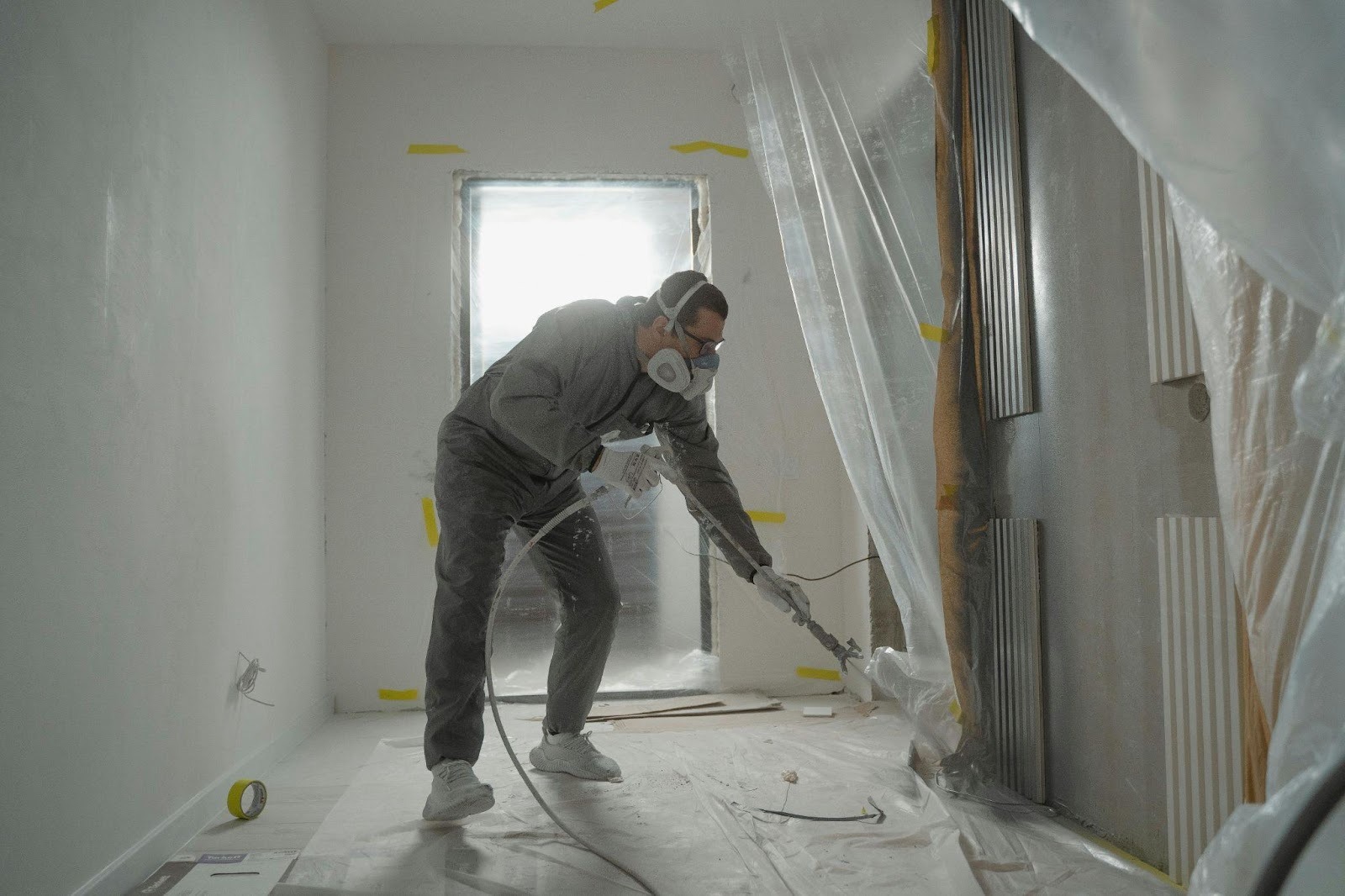
The name itself suggests that it may come with chemicals that can be harmful to your body if not handled properly. Ignoring safety precautions and not wearing proper gear when applying your paint is not only foolish, but can also pose serious consequences for your health. And we don’t want one DIY paint job to affect us for the rest of our lives, do we? Always wear appropriate personal protective equipment (PPE), including respirators, gloves, and eye protection, when working with industrial paints Read safety data sheets to understand potential hazards and do necessary precautions. Remember, safety should always be your top priority.
Wrapping Up
By avoiding these common mistakes, you’ll be well on your way to achieving a professional, long-lasting finish that will protect your construction project for years to come. Remember, proper planning, careful execution, and attention to detail are key to success when working with industrial paints.
