


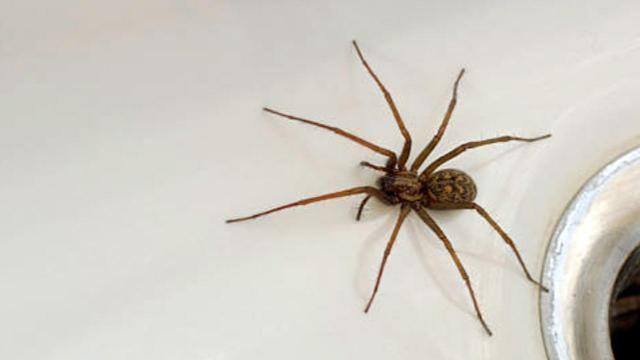
Lots of folks get creeped out by spiders ’cause of how they look and the wrong idea that they’re all dangerous. But really, spiders are super important. They keep bugs like flies and mosquitoes in check, which is a big help since those bugs can spread diseases.
Even though spiders are important, people still freak out and squash them without a second thought. By busting these myths and learning more about what spiders are really like, we can start seeing them as cool little helpers in our world and maybe not be so scared of them.
All spiders are dangerous
Lots of folks freak out about spiders, thinking they’re all out to get us. But that’s not really true. Sure, some like the black widow or brown recluse are ones to watch out for, but most spiders are chill and just want to be left alone.
The ones you usually find at home, like daddy long-legs, aren’t mean, and their bites are no worse than a mosquito bite.
Understanding Local Species
Getting to know the spiders around you can help ease those fears. Maybe check out a bug book or chat with a pest control person to learn more about them.
Appreciate Their Role
Once you get to know these cool creatures, you’ll see they’re actually pretty helpful. Instead of being scared, try to be curious and see how these eight-legged friends help keep nature in balance.
Spiders are pests that need to be exterminated
Lots of folks think spiders are annoying, but they’re actually really helpful. They eat loads of bugs like flies, mosquitoes, and even cockroaches, acting like a natural pest control team for our homes and gardens. Think about it: without spiders, we’d be swimming in insects!
Instead of grabbing the bug spray, try something nicer. If you see a spider inside, just catch it gently with a jar and some cardboard, then let it go outside.
In gardens, spiders are like little helpers, keeping bug numbers down without needing harsh chemicals. This helps plants and keeps our environment cleaner.
If spiders still give you the creeps, it’s totally fine to call in the pros. Pest control services know how to deal with them safely.
By seeing spiders as helpful instead of a hassle, your home can be a nicer place. Give it a shot, and maybe you’ll start liking these eight-legged housemates a bit more!
Spiders crawl into your mouth while you sleep
The idea that spiders sneak into our mouths while we sleep is just a myth. It’s super unlikely to happen.
When we’re asleep, even little movements like breathing or turning over keep spiders away. They’re not interested in us and prefer to hang out in dark, quiet spots where they won’t be bothered.
Knowing this can help ease any worries about this myth. Spiders usually avoid people and stick to their own hidden hangouts.
Not All Spiders Weave Webs
When you think of spiders, you might picture them spinning webs, right? Well, not all spiders do that. Take the wolf spider, for example. It’s all about the thrill of the chase, using its quick moves to catch food right on the ground.
These guys are like nature’s ninjas, skipping the whole web thing. Huntsman spiders do the same—no webs for them. They sneak up on their prey super quietly.
Web Varieties
Now, the spiders that do spin webs are like little artists. Garden orb-weavers make these amazing circle-shaped webs that are perfect for catching flying bugs. They’re like the engineers of the spider world!
But then there are the sheet web spiders. They make big, flat webs that catch creatures crawling around. It’s a whole different style, but just as clever.
Rethinking Spiders
All these different ways of catching food and making webs show just how adaptable spiders are. Each type has its own cool tricks that help it survive, proving there’s no one way to be a spider.
Understanding these differences can really change how we see them and help us appreciate the amazing part they play in nature.
Spiders Are Attracted to Dirty Homes
Many people believe that messy homes are a haven for spiders, but that’s not quite right. Spiders aren’t drawn to clutter; they’re on the hunt for food, like flies or mosquitoes. If your home has these critters, spiders might just show up for the feast.
To keep these eight-legged visitors at bay, cutting down their food sources is key. Regular cleaning is really helpful. Make sure to quickly wipe up any food crumbs or spills so you don’t attract insects.
Sealing up cracks and gaps in windows, doors, and foundations is another great way to stop both bugs and spiders from sneaking in.
Keep an eye on dark corners and less-used spaces, like basements or attics, where spiders love to hide. Tidying up clutter can also make your home less inviting to them.
If spiders are still hanging around, it might be worth having a chat with a pest control expert. They can offer advice on managing both the spiders and the insects they’re chasing.
By keeping your home clean and taking a few simple steps, you can make it a lot less likely for spiders to move in. So why not start today and enjoy a more spider-free home?
Spider Bites Are Always Harmful
Many people get pretty anxious at the thought of a spider bite, imagining the worst. But here’s a surprise: most spider bites are about as troublesome as a mosquito bite.
Sure, the infamous ones like black widows grab headlines, but they rarely cause serious harm. In fact, bee or wasp stings are often more concerning. So, if you ever find yourself on the receiving end of a spider’s fangs, here’s some friendly advice.
First Aid for Spider Bites
- Clean the Area: Simply wash the bite gently with soap and water. This helps keep any germs at bay and wards off infection.
- Apply a Cold Compress: Grab a cool, damp cloth and pop it on the bite. It helps with swelling and gives you some relief.
- Relieve Pain: If it’s a bit sore, you can take some ibuprofen or paracetamol to take the edge off.
Typically, spider bites heal on their own in a matter of days, without needing a doctor’s visit. However, if you experience severe pain, blisters, or a rash, it might be wise to get it checked out, though this is quite uncommon.
Knowing the reality about spider bites can be quite comforting. Remember, spiders aren’t nearly as terrifying as their reputation suggests—just a little misunderstood.
And if you’re unsure or feeling uneasy, consulting a healthcare professional is always a good idea. Spread the word and share these tips with friends—knowing what to do can make all the difference!
Conclusion
Spiders might seem creepy, but they’re actually super important for keeping bugs in check. Instead of freaking out, try to appreciate these cool eight-legged creatures.
By clearing up some common myths, you’ll see that spiders are like nature’s little helpers, keeping everything balanced. So next time you spot one, don’t be scared—be curious and give them some respect for the amazing job they do!
