


Table of Contents
- Why Used Jumps Are a Smart Choice
- Core Considerations for Designing on a Budget
- Essential Types of Jumps for Any Course
- Creative Layout Tips for Maximum Variety
- Safety First: Ensuring Safe Use of Used Jumps
Why Used Jumps Are a Smart Choice
Designing a versatile jump course doesn’t have to mean a major investment. With so many creative options available for equestrian enthusiasts, starting with used horse jumps can be one of the most cost-effective and resourceful decisions. Not only do used jumps offer significant savings over new equipment, but they also bring an element of sustainability to your design. Sophisticated course layouts don’t require the flashiest, most expensive jumps. What matters more is craftsmanship, thoughtful arrangement, and safety. Riders and trainers who build with used jumps often find it easier to update their courses as needs evolve, simply by swapping out parts or repainting elements. Instead of being constrained by budget, you’ll discover more freedom to try new ideas and keep courses fresh throughout the season. This approach also supports a more environmentally friendly outlook, keeping usable equipment in circulation and reducing unnecessary waste.
For many barns and riding clubs, stretching a small budget is a necessity. Used jumps enable more riders, all ages and levels, to experience professional-caliber training spaces. When a group invests in pre-owned equipment together, they quickly recognize its long-term value. Jump standards and rails can often be refurbished, and creative teams can transform plain pieces into colorful, eye-catching obstacles. Whether you’re a riding instructor or a dedicated DIY equestrian, embracing the world of used jumps can result in a more accessible and inclusive jumping environment for all.
Core Considerations for Designing on a Budget
To make the most of a modest budget, planning is key. Start by reflecting on your primary goals: Are you shaping a course primarily for schooling young horses, or do you need to prepare advanced riders for competitive events? By understanding your program’s specific needs, you can prioritize purchases and allocate funds to achieve the greatest impact. For some, that might mean versatile vertical jump standards; for others, investing in eye-catching fillers or replaceable rails. Sketching out your training area before purchasing any equipment helps you make the most of both available space and funds. Many trainers use simple arena maps or online design apps to test different layouts and identify where each jump will go.
Any equestrian facility needs to have a clear plan for rotating obstacles, allowing course elements to be easily moved or swapped for variety and interest. As highlighted in this reliable course design fundamentals article from Practical Horseman, flexibility is what ensures a course remains challenging and interesting. Even the simplest jump setup can be transformed through clever arrangement and periodic updates. For example, a basic oxer can become the centerpiece for a tricky line or an inviting grid exercise simply by moving a few poles. Real-world barns that take this approach often find their riders progress faster and remain more engaged throughout the year.
Essential Types of Jumps for Any Course
A well-rounded training area requires a mix of jump styles to keep horses responsive and riders challenged. Let’s break down some foundational jump types you’ll find in most arenas:
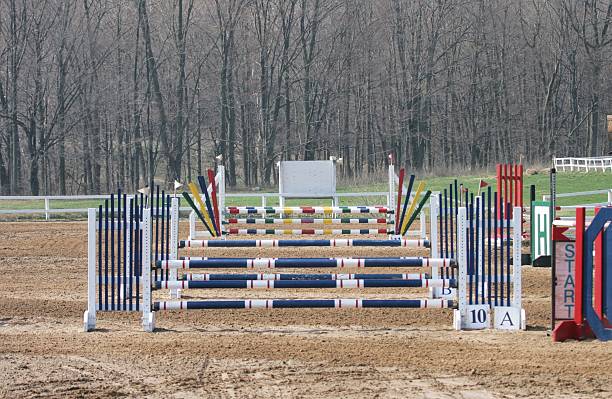
- Verticals: The most basic style, featuring a single line of rails between two standards. Verticals are adaptable for all ability levels, from pony beginners up to seasoned jumpers. By changing the height, rail colors, or number of poles, you can create new challenges from the same basic equipment.
- Oxers and Combinations: These jumps consist of two lines of rails, either close together (square oxers) or set at varying distances (spread or Swedish oxers). Adding combinations or related distances is great for improving a horse’s scope, a rider’s precision, and overall jump technique. Poles in good condition are ideal for these configurations.
- Fillers and Walls: Think painted gates, flower boxes, or faux stone walls. These are visual obstacles that add excitement and authenticity, especially when prepping riders for show ring scenarios. Many resourceful course builders repurpose wood scraps or upcycle old gates and pallets as creative, cost-effective fillers.
- Cross Rails and Cavaletti: These small, adjustable jumps are ideal for young horses, green riders, or intricate gymnastics. Even a handful of used poles can be laid out for low-impact schooling, helping to develop rhythm, confidence, and flexibility.
By thoughtfully combining and rearranging these elements, you can keep both horse and rider learning and progressing, no matter the season or schedule. Many facilities report that incorporating plenty of fillers and simple verticals gives them endless possibilities for new courses with minimal extra expense.
Creative Layout Tips for Maximum Variety
Even with just a handful of jumps, regular layout changes inject excitement and enhance training. Embracing creative patterns is easier than you might think; even small shifts in angle or distance can create new challenges for riders. Try different configurations, like looping serpentines, bending lines, or alternating straight and diagonal tracks. Set up grids for technical exercises or move jumps closer together to help horses learn to balance and adjust their stride.
Professional course designers studying international-level shows, such as those covered in equestrian news, often borrow innovative ideas and adapt them to their settings. Adding contrasting colors, unique fillers, or angled standards can imitate top-level challenges with existing jumps. Switching out rail colors or rotating fillers after each ride session ensures the landscape is always shifting. Riders appreciate the mental stimulation, and horses gain invaluable exposure to new sights and configurations, ultimately preparing everyone for whatever comes up at shows or clinics.
Safety First: Ensuring Safe Use of Used Jumps
Every course designer agrees: safety is non-negotiable. Even experienced trainers can overlook small issues that turn into hazards over time. Carefully inspect each jump component before it enters your rotation. Focus on solid construction—standards should stand upright without wobbling, cups must hold rails securely, and all fasteners should be tight. If a jump shows significant decay or instability, retire it from use or repurpose it for groundwork exercises only. Even the most stunning paint job can’t cover up a weak rail or rotten base.
Frequent and honest safety assessments protect not only the horses and riders but also the reputation of your barn. Make it a routine: before every lesson or ride session, walk the course and check for issues. Hold monthly deep dives with barn staff or volunteers to reinforce good practice. Data from the American Association of Equine Practitioners shows that proactive safety measures dramatically reduce the incidence of preventable injury. A safe course builds confidence in everyone who steps into the ring, no matter the age or ability level.
