


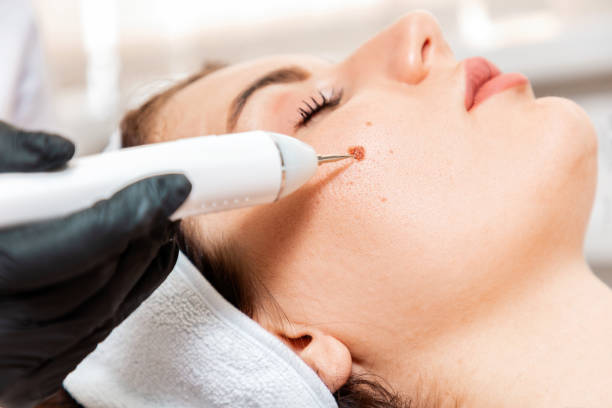
Moles are common skin growths that can appear anywhere on the body. Most people have at least a few, and many never think about them until a mole becomes bothersome, changes in appearance, or affects self confidence. In Singapore, interest in mole removal SG has grown as more people seek clearer skin, early detection of skin issues, and safe cosmetic procedures.
If you have been wondering whether you should remove a mole for health or beauty, this detailed guide will help you understand the difference, the risks, and how a dermatologist can evaluate and treat your moles safely.
Understanding What Moles Really Are
Moles form when melanocyte cells cluster together instead of spreading evenly across the skin. They often appear as brown, tan, or pink spots, and may be flat or raised. Most moles are harmless, but some can pose medical concerns.
Types of Common Moles
- Congenital moles
Present at birth or early childhood. Usually harmless but may require monitoring. - Acquired moles
Develop during adulthood. Hormonal shifts and sun exposure are common triggers. - Atypical or dysplastic moles
Irregular borders, uneven colors, or unusual shapes. These require monitoring because they may carry a higher risk of turning cancerous.
Understanding your mole type helps you and your dermatologist make informed choices about mole removal.
Why People Choose Mole Removal in Singapore
Mole removal is sought for both medical and cosmetic reasons. In Singapore, the warm climate and high UV exposure make skin monitoring even more important.
Cosmetic Reasons
Many people choose mole removal services to improve appearance. Examples include:
- A mole on the cheek that disrupts facial symmetry
- A raised mole that catches on clothing or jewelry
- A mole in a highly visible area such as the nose or chin
- A preference for a smoother, clearer complexion
Cosmetic mole removal is common and generally safe when performed by certified dermatologists.
Medical Reasons
A mole may need removal for health reasons if it shows signs of potential skin cancer or significant irritation. Early removal can prevent complications and allow for proper biopsy.
Health related reasons include:
- Changes in color
- Rapid growth
- Bleeding or crusting
- Irregular borders
- Persistent itching or pain
- Inflammation or infection
If you notice any of these symptoms, you should consult a dermatologist promptly.
How Dermatologists Evaluate Moles
Dermatologists use a simple but effective method called the ABCDE rule to screen for potentially dangerous moles.
The ABCDE Checklist
- A for Asymmetry
One half of the mole does not match the other. - B for Border
Edges appear irregular, jagged, or blurred. - C for Color
Multiple shades of brown, black, red, or pink. - D for Diameter
Larger than 6 millimeters, although smaller moles can also be suspicious. - E for Evolution
Any change in size, color, height, or shape over time.
Dermatologists may also perform dermatoscopic examinations or recommend a biopsy if the mole appears suspicious.
Common Mole Removal Methods in Singapore
The best removal method depends on the mole’s type, depth, size, and whether it is removed for cosmetic or medical reasons.
Laser Mole Removal
A non-invasive method that works best for superficial moles. Fast healing and minimal downtime.
Shave Excision
Ideal for raised moles. The mole is shaved off at surface level. Fast procedure with good cosmetic results.
Full Surgical Excision
Necessary for deeper or suspicious moles. The mole is cut out along with a small margin of skin. This allows the sample to be sent for biopsy.
Radiofrequency Removal
Uses controlled heat to remove or contour raised moles. Popular for cosmetic purposes.
A dermatologist will recommend the safest and most appropriate method based on your needs.
Risks and Side Effects You Should Know
Removing a mole is generally safe, but every procedure carries risks that depend on the technique used and your skin type.
Possible side effects include:
- Mild redness or swelling
- Temporary scabbing
- Light scarring
- Skin discoloration
- Rare infection
Choosing a qualified dermatologist greatly reduces the risk of complications.
Should You Remove Your Mole for Beauty or Health
Here is a simple way to decide:
Remove for Health If
- Your mole changes in appearance
- It bleeds, crusts, or feels painful
- You have a family history of skin cancer
- The mole is frequently irritated by shaving or clothing
- Your dermatologist recommends biopsy
Remove for Beauty If
- The mole affects your confidence
- It sits in a very visible spot
- It makes applying makeup difficult
- It appears asymmetrical or distracting even if harmless
Both decisions are valid. What matters most is ensuring safe removal through proper medical evaluation.
What Happens After Mole Removal
Aftercare is critical to ensure smooth healing and minimal scarring.
Your dermatologist may recommend:
- Keeping the area clean and dry
- Applying antibiotic ointment
- Avoiding sun exposure for at least two weeks
- Using sunscreen every day
- Avoiding picking at scabs
- Attending follow up appointments
Proper care helps the skin heal evenly.
Cost of Mole Removal in Singapore
The cost varies depending on size, depth, number of moles, and the removal method. On average:
- Laser removal: lower to mid range
- Shave excision: mid range
- Surgical excision with biopsy: higher range
Prices may also differ between private clinics and public hospitals.
Final Thoughts on Whether You Should Remove Your Mole
Mole removal can be a meaningful decision for both health and beauty. If a mole looks suspicious or changes over time, removal is a wise and proactive choice. If you simply want smoother and clearer skin, cosmetic mole removal clinics offer safe and effective options.
The most important step is consulting a licensed dermatologist so you receive the right diagnosis and treatment.
Commonly Asked Questions
Is mole removal painful?
Most procedures cause minimal discomfort. Dermatologists usually apply a numbing cream or local anesthesia so you feel only slight pressure. After the procedure, mild soreness is possible but usually fades quickly.
Will removing a mole leave a scar?
Any skin removal can leave a small mark, but the level of scarring depends on your skin type, the mole depth, and the removal method used. Laser and shave excision generally produce very subtle marks, especially when proper aftercare is followed.
How long does it take to heal after mole removal?
Superficial mole removals may heal within one to two weeks. Deeper surgical excisions may take two to four weeks. Your dermatologist will provide aftercare instructions to support smooth healing.
Can a mole grow back after removal?
Yes, some moles can return if pigment cells remain beneath the skin surface. Laser treated moles are slightly more likely to return compared to surgically removed ones. If a mole grows back, you should have it reassessed.
Do I need a biopsy after mole removal?
A biopsy is recommended if the mole shows suspicious characteristics such as irregular borders, color changes, rapid growth, or symptoms like bleeding or itching. If the mole was removed purely for cosmetic reasons, a biopsy may not be necessary unless the dermatologist advises it.
Next Steps
Monitor your mole by taking clear photos and observing any changes in color, size, or texture, then schedule a dermatologist consultation to determine if it is harmless or requires removal. Decide between cosmetic removal for appearance or medical removal if warning signs are present, prepare questions about the best method, healing time, scarring, and costs, and plan your aftercare to keep the area clean, avoid sun exposure, and attend follow-up visits.
