


In our fast-evolving industrial landscape, manufacturers are constantly seeking ways to streamline their operations and stay ahead of the competition. Advanced tools and technologies have emerged as beacons of progress, offering solutions that enhance efficiency, predictability, and adaptability in manufacturing environments. From automation software to AI-powered analytics, these innovations pave the way for a more cohesive and responsive production chain. Keep reading to explore the top tools that can transform the way you manage your manufacturing operations.
Integrating Enterprise Resource Planning (ERP) Systems To Centralize Manufacturing Data
Information is power in the manufacturing industry, and an ERP system acts as the central nervous system of data management. These complex software systems collect, organize, and analyze data from all aspects of a business, providing an integrated approach to handling finances, operations, and resources. ERP systems bring cohesion and visibility, which are vital for decision-making and strategic planning.
With a robust manufacturing ERP software platform, real-time data is readily available to stakeholders, ensuring that everyone from the shop floor to the executive suite has access to the information they need when they need it. This leads to increased collaboration and a unified vision across the company. Centralizing data also helps in identifying patterns and inefficiencies that might go unnoticed in a more compartmentalized system.
Implementing Internet of Things (IoT) Devices for Real-Time Monitoring
The IoT has become a cornerstone of modern manufacturing, equipping factories with a network of sensors and devices that monitor and communicate a plethora of operational metrics. These IoT devices can track everything from machine performance and energy consumption to environmental conditions and employee productivity. Such real-time monitoring enables manufacturers to respond quickly to any anomalies or inefficiencies.
Additionally, IoT technology facilitates preventive maintenance practices by predicting potential failures before they happen. Sensors can detect wear and tear on equipment, triggering maintenance alerts that prevent costly downtime and repairs. This proactive approach not only extends the life of machinery but also ensures that production runs smoothly without unexpected interruptions.
Furthermore, when connected to cloud computing platforms, IoT devices can aggregate vast amounts of data that can be analyzed for deeper insights into the manufacturing process. This information can inform better resource allocation, energy management, and even product design, leading to a more sustainable and responsive manufacturing operation.
Adopting Predictive Maintenance Tools To Reduce Downtime

Predictive maintenance stands as a significant evolution from traditional reactive maintenance models. Using advanced tools that assess the condition of equipment, manufacturers can anticipate failures before they occur. This strategy is enabled by data analytics, machine learning, and condition-monitoring technologies that keep a constant vigil on equipment performance and alert maintenance crews to potential issues.
The benefits of predictive maintenance are multifold. By preventing unplanned outages, manufacturers can avoid the high costs associated with emergency repairs, lost production, and delivery delays. Moreover, equipment life is extended, and capital expenditures for new machinery are reduced. This forward-thinking approach is about being proactive rather than reactive, saving both time and money in the process.
While the implementation of predictive maintenance requires a strategic investment in technology and training, the return on investment is clear. With the right tools and a skilled team to interpret and act on the data, predictive maintenance can transform the stability and reliability of manufacturing operations, driving a new standard of operational excellence.
Utilizing AI-Powered Analytics for Improved Decision Making
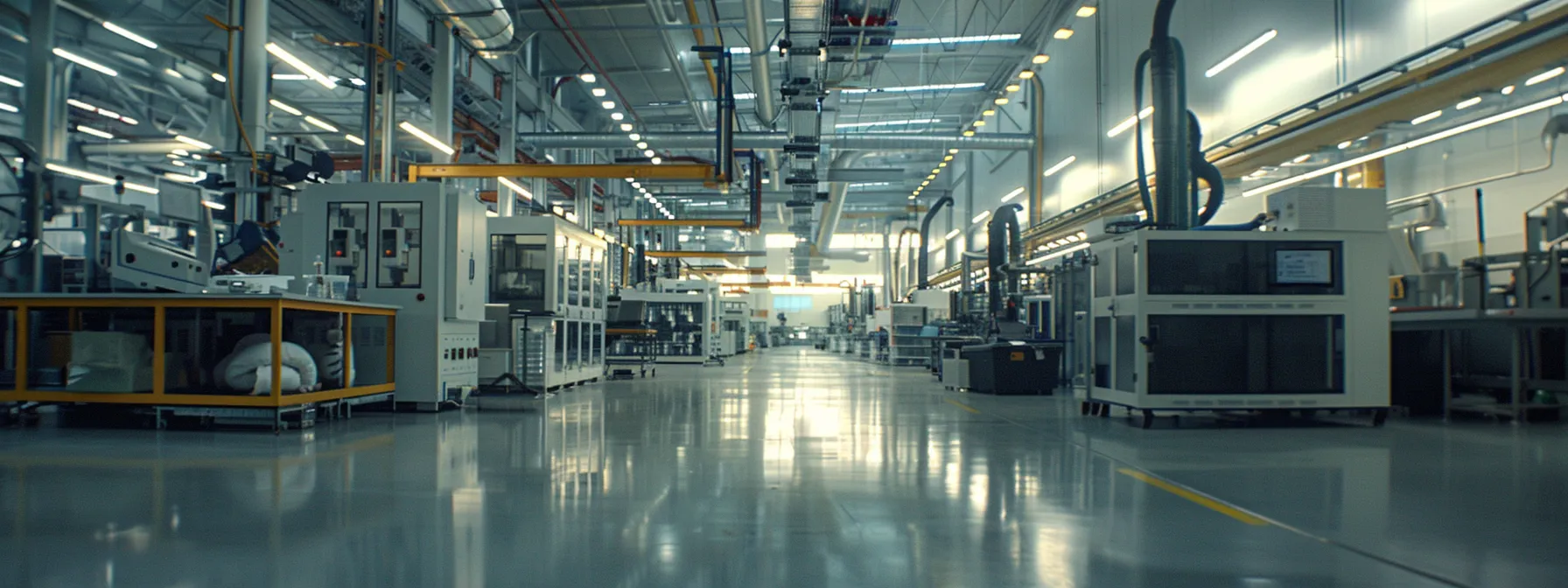
AI is reshaping manufacturing decision-making, offering powerful analytics that parse through complex datasets to provide actionable insights. AI-driven tools can forecast trends, optimize production workflows, and enhance quality control. By leveraging these cutting-edge technologies, manufacturers can drive innovation and continuously improve their processes.
While the adoption of AI requires an embrace of new technologies and processes, the long-term benefits are undeniable. As AI continues to evolve and become more accessible, manufacturers who integrate these tools into their operations will find themselves at the forefront of efficiency, creativity, and innovation in their fields.
Altogether, the integration of advanced software and technological tools represents a fundamental shift in the manufacturing industry. With the adoption of automation, ERP systems, IoT devices, predictive maintenance, and AI analytics, manufacturers are empowering themselves to achieve higher levels of efficiency, agility, and quality. These tools not only streamline operations but also pave the way for smarter, data-driven decision-making that can dramatically transform the production landscape for the better.
