


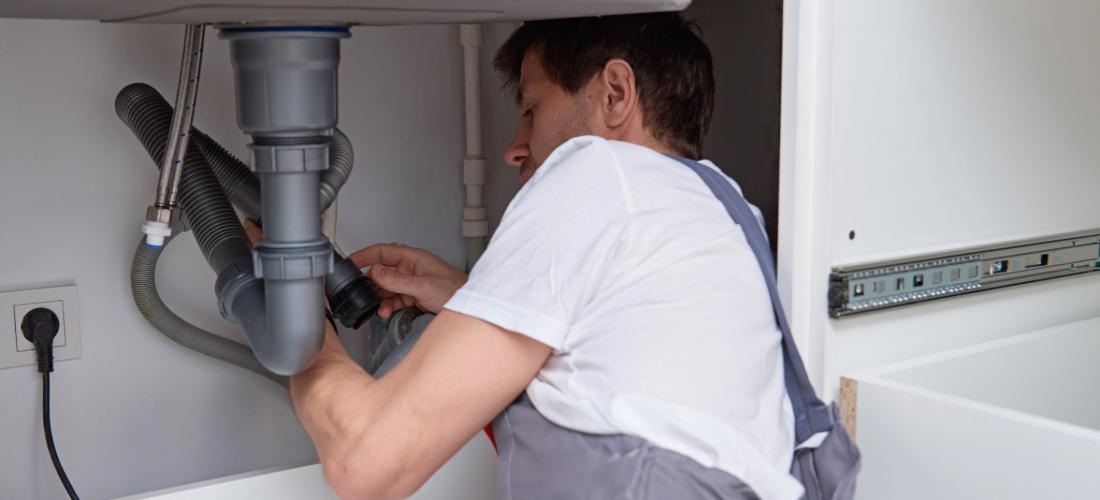
Finding a leak under the sink is something most of us deal with at home. It usually happens because of a few common reasons. Seals might wear out since the rubber bits that keep things watertight can break down, letting water sneak through.
Also, the connections might get loose with all the use and movement. Sometimes, pipes can get banged up or just wear out over time. Figuring out why it’s leaking is key to fixing it right and stopping more water damage.
Prevent Water Damage with Urgency
If you spot a leak under your sink, it’s best to jump on it right away to avoid water damage. Even a small drip can turn into big problems if you don’t tackle it.
Water can creep into hidden spots, leading to mould, which is bad for your health and can mess up your cabinets and floors. You know that musty smell? That’s usually a sign of mould.
Fixing the leak quickly can save you a lot of money on repairs and keep your home in good shape. Acting fast helps protect your home and everyone living there.
Turning Off the Water Supply
If you’ve got a leak under your sink, it’s time to roll up your sleeves and tackle it before it becomes a bigger mess. First things first—stop the water!
Usually, you’ll find some handles tucked away beneath the sink, right at the back where the pipes are. They might be a bit tricky to spot, especially if they’re hiding behind cleaning supplies or old bottles of cleaner.
These handles are your go-to for shutting off both the hot and cold water. Give them a twist clockwise to cut the flow. Be gentle, especially if your plumbing is a bit on the older side.
If they’re being stubborn, grab a pair of pliers, but be careful not to damage the handles. Once you’ve turned the water off, go ahead and turn on the tap to drain any leftover water in the pipes.
It’s a good idea to have a towel handy to catch any drips. You might also want to place a bucket under the sink just in case things get a bit splashy.
After that, take a moment to check if any water is still trickling out, even after you’ve shut the valves. This little step can really save you from those dreaded big repair bills and keep your kitchen dry and safe.
To keep future leaks at bay, consider checking your pipes regularly. A quick peek every now and then can help you catch small issues before they turn into major headaches.
So, next time you’re under the sink looking for that lost dish soap, spare a moment to give your plumbing a once-over. You’ll thank yourself later!
Assessing the Source of the Leak
Figuring out where a leak’s coming from is crucial to fixing it properly. Let’s start by having a good look around the tap area.
Check the base and handles to see if water’s pooling there. If it is, the seals might be worn out, or something could be a bit loose.
Next, have a look at the drain. Pay attention to the P-trap, which is that U-shaped pipe. Give it a quick check to see if it’s dripping.
This part can sometimes get clogged or start leaking, so it’s worth a look. Don’t overlook the pipes leading to the tap either.
Run your hand along them to feel for any damp spots, or keep an eye out for white, chalky residue. These can be signs of a sneaky slow leak.
While you’re on this detective mission, it might be handy to jot down some notes or snap a few photos.
When to Contact a Professional
Fixing small leaks yourself is great, but sometimes it’s smarter to get a plumber. If you’ve got a big leak making a mess under the sink or messing with water pressure, that’s a big hint to call a professional.
Problems like hidden leaks in walls need special tools to sort out, so it’s not worth trying to handle it yourself. If you see several leaks or think the plumbing’s old, getting an expert’s advice is a good shout.
DIY fixes here can make things worse and pricier. Don’t mess with rusted pipes or tricky setups unless you really know what you’re doing.
Sure, hiring someone costs more upfront, but it sorts the problem properly, saving cash and hassle later. Keep safe and have pros deal with anything more than simple repairs.
Cost-Effective DIY Repair Options
When you notice a small leak under the sink, there’s no need to panic or shell out loads of money for a plumber. With a few basic tools and a bit of patience, you can handle it yourself and keep your wallet happy.
Basic Tools and Techniques
First off, have a look at where the pipes meet. A simple twist with a wrench might do the trick, but remember, a gentle touch is all you need—no need to go all Hulk on it!
If the leak persists, it might be time for a new washer. Before you start, make sure the water’s turned off. Then, grab a screwdriver to remove the tap handle, and swap in a new washer.
If you’re unsure, try snapping a quick photo of the setup before you take it apart—could be a lifesaver when putting it back together.
Sealing with Plumber’s Tape
For those tiny sneaky leaks, plumber’s tape is your secret weapon. Wrap it snugly around the pipe threads to get a nice, tight seal.
Having pliers, wrenches, and screwdrivers close by will make the job a breeze. Remember, it’s like wrapping a present—neat and tight.
By tackling these leaks yourself, you’re not just saving money; you’re also picking up some nifty plumbing skills along the way.
So grab your tools and give it a go—you might surprise yourself with just how handy you can be!
Conclusion
Taking a peek under the sink now and then can really help out. Spotting problems early means you won’t have to shell out big bucks for repairs later.
Plus, it keeps your place safe from water damage. Just have a quick look to see if anything’s coming loose or wearing out, and you can stop leaks before they even start.
It may seem like a small thing, but it can save you a lot of trouble down the line. Get into the habit of doing these checks, and you’ll feel better knowing your plumbing’s all good.
Make it a regular thing, and keep your home snug and secure.
