


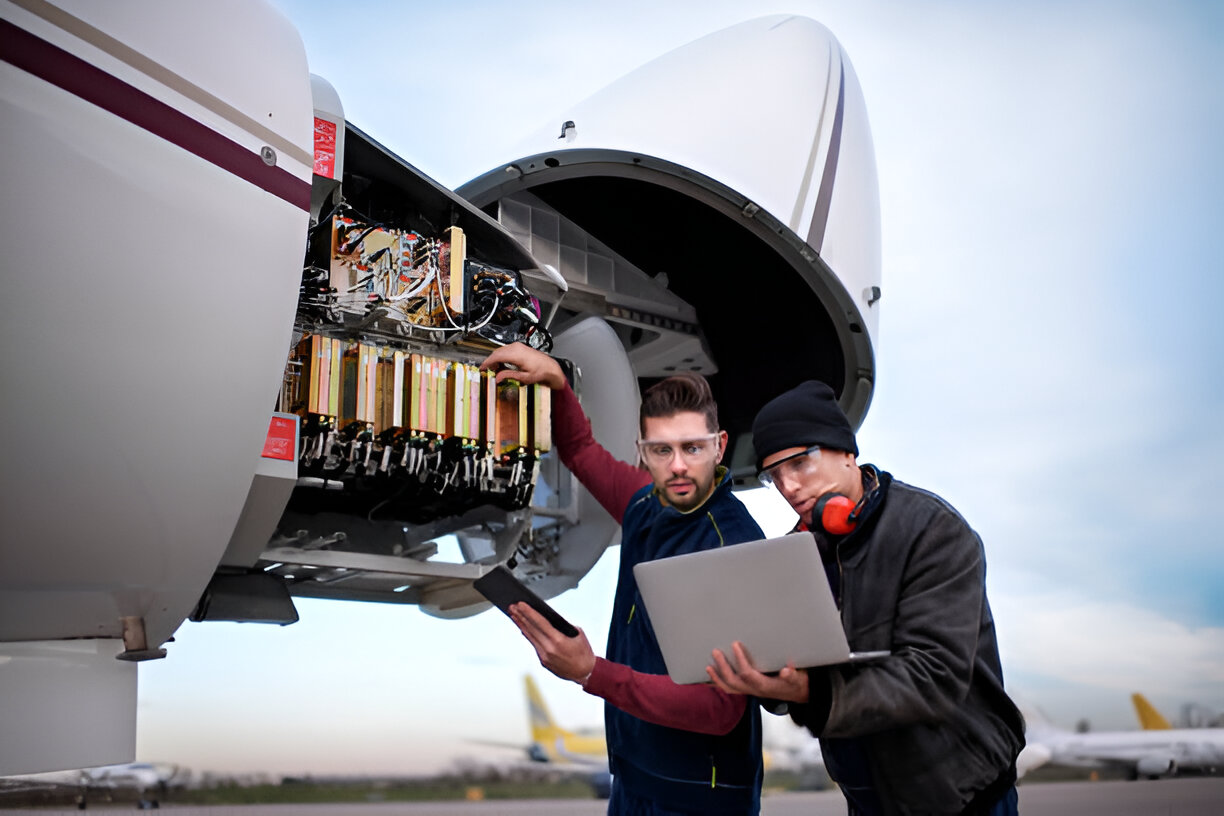
Proper maintenance and handling of aircraft batteries are crucial elements of aviation safety. These power units require specific protocols to ensure both operational reliability and workplace safety. Understanding and implementing these guidelines helps maintain the highest standards of aircraft safety while protecting maintenance personnel.
Regular Inspection Requirements
Every aircraft battery requires systematic visual inspections before installation or maintenance to ensure optimal performance and safety compliance. Check thoroughly for signs of physical damage, including cracks, bulging, deformation, or electrolyte leakage, as these issues can indicate serious internal deterioration. Pay special attention to the battery case integrity and seal condition since even minor damage can lead to hazardous situations during operation. Examine all terminals and connections for corrosion, oxidation, or contamination, ensuring they remain clean, properly torqued, and secure. Terminal resistance should be checked with appropriate testing equipment to verify proper electrical connectivity.
The aircraft battery 7243-14 maintenance manual recommends monthly inspections of vent caps and pressure release valves to prevent dangerous gas accumulation and potential explosions. These inspections should include careful cleaning of vent paths, verification of valve operation, and confirmation that safety mechanisms are functioning as designed. Document all findings in the maintenance log, including any minor discrepancies, to establish a reliable inspection history and identify potential trending issues early.
Temperature Management Protocols
Temperature control plays a vital role in battery safety and longevity, serving as a critical factor in preventing thermal runaway and extending service life. Monitor charging areas continuously to maintain optimal temperatures between 65°F and 85°F (18°C to 29°C), as operation outside these parameters can significantly impact battery performance and safety margins. Install calibrated temperature sensors near battery installations and charging stations to provide real-time monitoring capabilities, ensuring immediate detection of any thermal anomalies. Establish clear protocols and specific response procedures for situations when temperatures exceed recommended ranges, including automated charging interruption systems and cooling system activation.
During maintenance operations, allow batteries to cool completely before handling or testing to prevent thermal-related accidents and ensure accurate measurements. Implementation of proper heat dissipation systems, including ventilation and cooling equipment, helps maintain stable temperature conditions throughout charging cycles. Regular calibration of temperature monitoring equipment ensures accurate readings and reliable safety system operation.
Personal Protective Equipment Standards
Maintaining proper safety equipment standards protects maintenance personnel from potential hazards, forming a critical barrier between technicians and dangerous chemical or electrical exposure risks. Required equipment includes chemical-resistant gloves rated for battery acid exposure, full-face shields with proper chemical splash protection ratings, and ANSI-approved protective eyewear with side shields. All PPE must undergo regular inspection for integrity and be replaced at manufacturer-recommended intervals or upon showing any signs of wear or damage. Keep acid-neutralizing agents readily available in clearly marked, easily accessible locations within battery maintenance areas, ensuring sufficient quantities for complete spill containment.
Ensure proper ventilation systems operate effectively to remove potentially harmful gases during charging operations, with regular testing of airflow rates and filter conditions. Install emergency eyewash stations and chemical safety showers within the immediate work area, maintaining them according to OSHA standards. Implement a strict PPE compliance program that includes regular training on proper equipment use, maintenance, and replacement schedules. Post clear signage indicating required PPE zones and maintain documentation of all safety equipment inspections and maintenance activities.
Emergency Response Procedures
Establish and maintain clear emergency protocols for battery-related incidents, ensuring comprehensive coverage of all potential hazard scenarios and response requirements. Post detailed instructions for handling chemical spills, electrical shorts, and thermal events in multiple visible locations throughout the maintenance facility, with step-by-step procedures written in clear, concise language. Keep appropriate fire suppression equipment, including Class D fire extinguishers specifically rated for battery fires, within easy reach of battery maintenance areas and ensure monthly inspections verify their operational status.
Train all personnel in proper emergency response procedures through regular drills and certification programs, including evacuation routes, emergency shutdown procedures, and immediate actions for various battery-related emergencies. Install emergency notification systems with both visual and audible alarms to alert personnel of dangerous situations. Maintain updated emergency contact information and establish clear chains of command for incident response coordination.
Conclusion
Aircraft battery safety requires constant vigilance and adherence to established protocols. By maintaining these safety standards, aviation maintenance teams ensure both operational reliability and workplace safety. Regular training updates and protocol reviews help keep these critical safety measures at the forefront of daily operations.
