


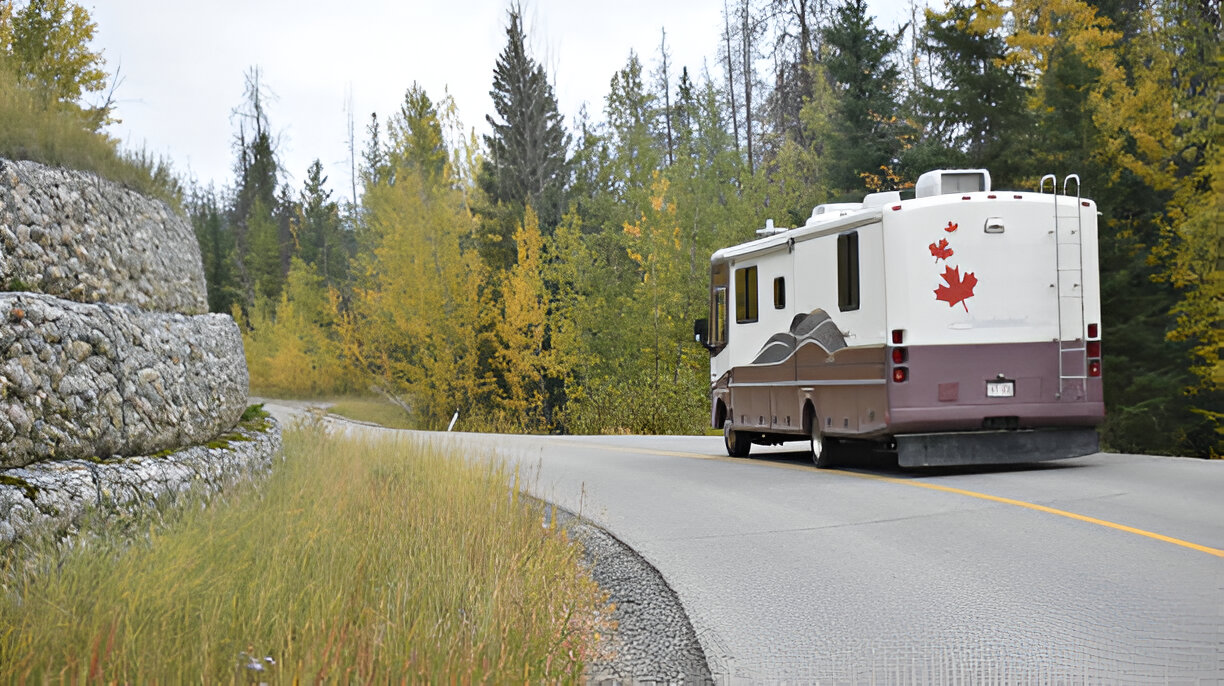
Owning an RV is a gateway to adventure, allowing you to explore the open road with all the comforts of home. However, to ensure your travels remain stress-free, regular maintenance is essential. Neglecting upkeep can lead to costly repairs, breakdowns, or even safety hazards. A seasonal maintenance routine helps keep your RV in top shape year-round. This guide breaks down what you need to do in each season to keep your home on wheels road-ready.
Spring: Prepping for the Travel Season
As temperatures rise and travel season approaches, it’s time to wake your RV from its winter slumber. Here’s what you need to check before hitting the road:
1. Inspect the Exterior
- Check for cracks or damage on the roof, seals, and seams. Look for leaks around windows, doors, and vents.
- Wash and wax the RV to protect it from UV rays and road debris.
2. Examine Tires and Brakes
- Check tire pressure and tread depth. RV tires can deteriorate even when not in use.
- Look for cracks, bulges, or sidewall damage. Replace worn-out tires.
- Test brakes and wheel bearings to ensure they function properly.
3. Check Plumbing and Water Systems
- De-winterize your water system by flushing out antifreeze.
- Inspect pipes, hoses, and water tanks for leaks or cracks.
- Sanitize the freshwater system by running a bleach solution through it.
4. Test Electrical and Battery Systems
- Charge and test your batteries. Replace them if they won’t hold a charge.
- Inspect all lights, outlets, and appliances for proper function.
- Check generator operation and top off fluids if needed.
5. Service the Engine and Generator
- Check oil, coolant, transmission fluid, and other essential fluids.
- Replace filters and belts as necessary.
- Run the generator under load for at least 30 minutes to ensure it’s working well.
Summer: Mid-Season Checkups for Peak Performance
With the RV in constant use, summer maintenance focuses on preventing breakdowns and keeping everything running smoothly.
1. Keep Your RV Cool
- Clean and inspect the air conditioning unit. Replace filters if necessary.
- Park in shaded areas when possible to reduce strain on the A/C.
2. Monitor Tire and Brake Condition
- The summer heat can cause tire pressure to fluctuate. Check it regularly.
- Ensure your brakes are in good condition, especially if you’re driving through mountainous areas.
3. Inspect the Propane System
- Check for leaks using a soapy water solution on the connections.
- Ensure your propane detectors are functioning properly.
4. Maintain the Roof and Seals
- High temperatures and UV exposure can cause sealants to deteriorate. Reseal as needed.
- Keep the roof clean to prevent debris buildup.
5. Test Appliances and Safety Equipment
- Ensure your refrigerator, stove, and microwave are working efficiently.
- Check fire extinguishers, smoke detectors, and carbon monoxide detectors.
Fall: Prepping for Cooler Weather and Storage
As summer fades, it’s time to prepare your RV for reduced use or winter storage.
1. Clean and Inspect the Exterior
- Remove any summer grime and road debris.
- Check seals and seams again, as summer heat may have caused wear.
2. Check Heating and Insulation
- Test your furnace to ensure it’s functioning properly.
- Insulate pipes and water lines to prevent freezing in colder regions.
3. Inspect Batteries and Electrical Systems
- If you plan to store your RV, remove the battery and store it in a dry, climate-controlled area.
- Ensure all electrical components are functioning before storage.
4. Flush and Drain Water Systems
- Drain all water tanks, including fresh, gray, and black water.
- Add RV-safe antifreeze to the plumbing system if storing in freezing temperatures.
5. Store the RV Properly
For maximum protection, consider indoor RV and boat storage in Oklahoma City to shield your vehicle from harsh weather and temperature fluctuations. Use tire covers to prevent sun damage, and keep the RV level with stabilizers to minimize frame stress. Proper storage ensures your RV stays in top condition for your next adventure.
Winter: Protecting Your RV During Cold Months
If you plan to use your RV during winter, it needs extra care to handle freezing temperatures.
1. Keep the Water System Safe
- Use heated hoses to prevent freezing.
- Keep your water heater operational and consider tank heaters.
2. Protect the Interior
- Use thermal curtains or insulated window covers to retain heat.
- Check for drafts and seal any gaps to prevent cold air from getting inside.
3. Maintain the Battery
- Cold weather can drain battery power faster. Keep it charged and stored properly.
4. Run the Generator Occasionally
- Start and run the generator for at least 30 minutes every few weeks to keep it in good shape.
Final Thoughts
Regular seasonal maintenance ensures your RV stays in excellent condition, preventing costly repairs and keeping your travels stress-free. By following this guide, you can enjoy worry-free road trips year-round, knowing your RV is always road-ready. Safe travels!
