


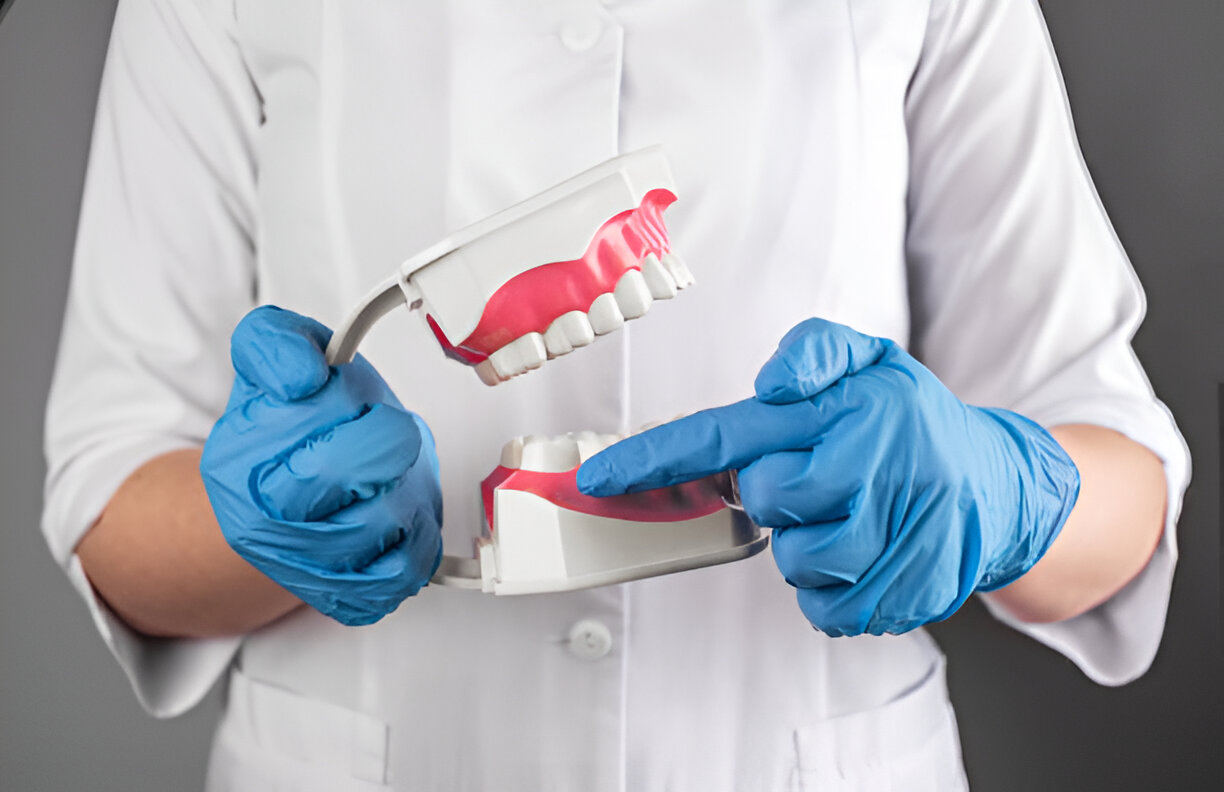
Wisdom teeth removal can sound intimidating, but it’s a common and often necessary dental procedure. If you or someone you know is preparing for this, it’s natural to have questions about the process, recovery, and what to expect. This guide will walk you through everything you need to know—from the reasons for extraction to aftercare tips and what long-term recovery entails.
Understanding Wisdom Teeth and Why They’re Extracted
What Are Wisdom Teeth?
Wisdom teeth, also known as third molars, are the last set of teeth to emerge, typically appearing during your late teens or early twenties. For some, these teeth grow in without issue. But for many others, complications arise as wisdom teeth struggle to fit in a crowded mouth.
Why Do Wisdom Teeth Need to Be Removed?
There are several reasons a dentist might recommend removing your wisdom teeth:
- Impaction: When teeth can’t fully emerge due to lack of space, they can become stuck or “impacted.”
- Crowding: Wisdom teeth can push against other teeth, causing misalignment.
- Pain or Infection: Emerging wisdom teeth can irritate gums, leading to swelling, pain, or even infection.
- Cavities or Decay: Wisdom teeth are harder to clean, making them prone to decay or gum disease.
- Preventative Care: Even if asymptomatic, some dentists advocate removing wisdom teeth to avoid potential issues later.
If you’ve experienced any of these symptoms, removal may be your best option for maintaining oral health.
Preparing for Wisdom Teeth Extraction
Preparation is key to ensuring a smooth experience. Here are some tips on how to get ready:
- Schedule a Pre-Op Consultation
Before the procedure, your dentist will evaluate the condition of your wisdom teeth using X-rays. This helps them understand how the teeth are positioned and whether sedation is needed. Use this appointment to ask questions and share any medical conditions or allergies.
- Plan Ahead
Arrange time off work or school, as you’ll likely need a few days to rest. Ask a friend or family member to drive you to and from the appointment since anesthesia may impair your ability to drive.
- Stock Up on Recovery Essentials
Prepare soft foods like soup, yogurt, and applesauce to eat post-surgery. You’ll also want ice packs to manage swelling and prescribed pain medications, which the dental team will likely recommend.
What Happens During the Procedure?
The wisdom teeth extraction procedure is relatively quick and straightforward. Here’s a breakdown of what to expect:
- Sedation: Depending on your comfort level and the complexity of your case, your surgeon may use local anesthesia, sedation (via IV), or general anesthesia.
- The Removal Process: The surgeon will make small incisions in the gum if the teeth haven’t erupted yet. For each tooth, they’ll gently loosen it and remove it.
- Duration: Most wisdom teeth extractions take around 45 minutes to 1 hour.
- The Finish: Stitches may be used to close the incision site, and gauze pads are placed to control bleeding.
You’ll likely leave the dental office still feeling groggy, so make sure your driver is ready to take care of you from this point onward.
Immediate Aftercare: Pain Management and Diet
Proper aftercare is essential for a rapid, comfortable recovery. Follow these steps in the first few days:
- Pain Management
You may experience swelling, minor bleeding, and discomfort for the first two to three days. Over-the-counter pain relievers or prescribed medications can help. Ice packs applied to the cheeks in 15-minute intervals will greatly reduce swelling.
- Dietary Changes
Stick to soft, easy-to-eat foods. Avoid hot, spicy, or crunchy options. Suggested foods include:
- Mashed potatoes
- Smoothies (avoid straws to prevent dry sockets!)
- Broths and pureed soups
- Scrambled eggs
- Cottage cheese
- Avoid Certain Habits
For optimal healing, avoid smoking, drinking alcohol, or rinsing your mouth aggressively during the initial recovery period.
Potential Complications and How to Handle Them
While complications are rare, it’s important to know what to watch out for:
- Dry Socket: This occurs if the blood clot dislodges from the extraction site, exposing nerves. Symptoms include severe pain and an unpleasant taste in the mouth. Oral surgeons, like those in Richmond, Indiana, can provide treatment to relieve this discomfort.
- Swelling or Infection: Swelling around the jawline is common but should gradually subside. Signs of infection include fever, intense swelling, or pus near the site—promptly contact your care provider if these occur.
- Nerve Injury: Although uncommon, injuries to nerves near the wisdom teeth extraction site may result in temporary numbness. It usually resolves on its own.
Long-Term Recovery Tips
Your gums will take about two weeks to fully heal, while the tissues beneath may need a little longer. To ensure a smooth recovery:
- Stick to your dentist-recommended check-up schedule.
- Avoid strenuous physical activity for the first week.
- Practice good oral hygiene by gently brushing around the incision site. Gradually reintroduce firmer foods once cleared by your dentist.
When to Seek Professional Help
While mild discomfort is expected after surgery, certain warning signs should prompt you to call your dentist immediately:
- Persistent bleeding that doesn’t subside after 24 hours.
- Increasing pain that painkillers do not alleviate.
- Signs of infection, such as swelling, redness, or exuding pus.
- Fever or chills.
Early intervention can prevent minor issues from escalating into significant problems.
Conclusion
Wisdom teeth extraction does not have to be a nerve-wracking experience. With proper preparation, professional care, and attentive aftercare, you’ll find the process straightforward and manageable. Remember to follow your dentist’s instructions closely and seek help if anything feels off during your recovery.
